

A CGM change should take a few minutes, not leave you dealing with sticky residue, pulled skin, or a red outline that lasts for days. If you are figuring out how to remove cgm adhesive without irritating your skin, the right method is usually less about force and more about softening, pace, and timing.
For many CGM users, adhesive removal is part of a repeat routine every 10 to 14 days. That means small mistakes add up. Pulling too fast, using harsh solvents, or scrubbing leftover residue can make the next sensor placement harder, especially if your skin is already sensitive. A cleaner removal process helps preserve skin integrity, reduce discomfort, and make your next wear cycle more predictable.
How to remove CGM adhesive without damaging skin
The safest approach starts before you lift a single edge. Adhesives bond to the outermost layer of skin, and that bond gets stronger with heat, sweat, showering, and extra overpatch wear time. If you try to peel everything off dry and fast, you are more likely to strip skin along with the adhesive.
Start by washing your hands and making sure the area is dry. If the sensor session has already ended and the device is ready to come off, gently lift one corner of the patch or adhesive border. Use your fingers rather than sharp tools. If the edge is hard to find, a warm shower can help loosen it slightly, but avoid soaking for too long if your skin tends to get reactive.
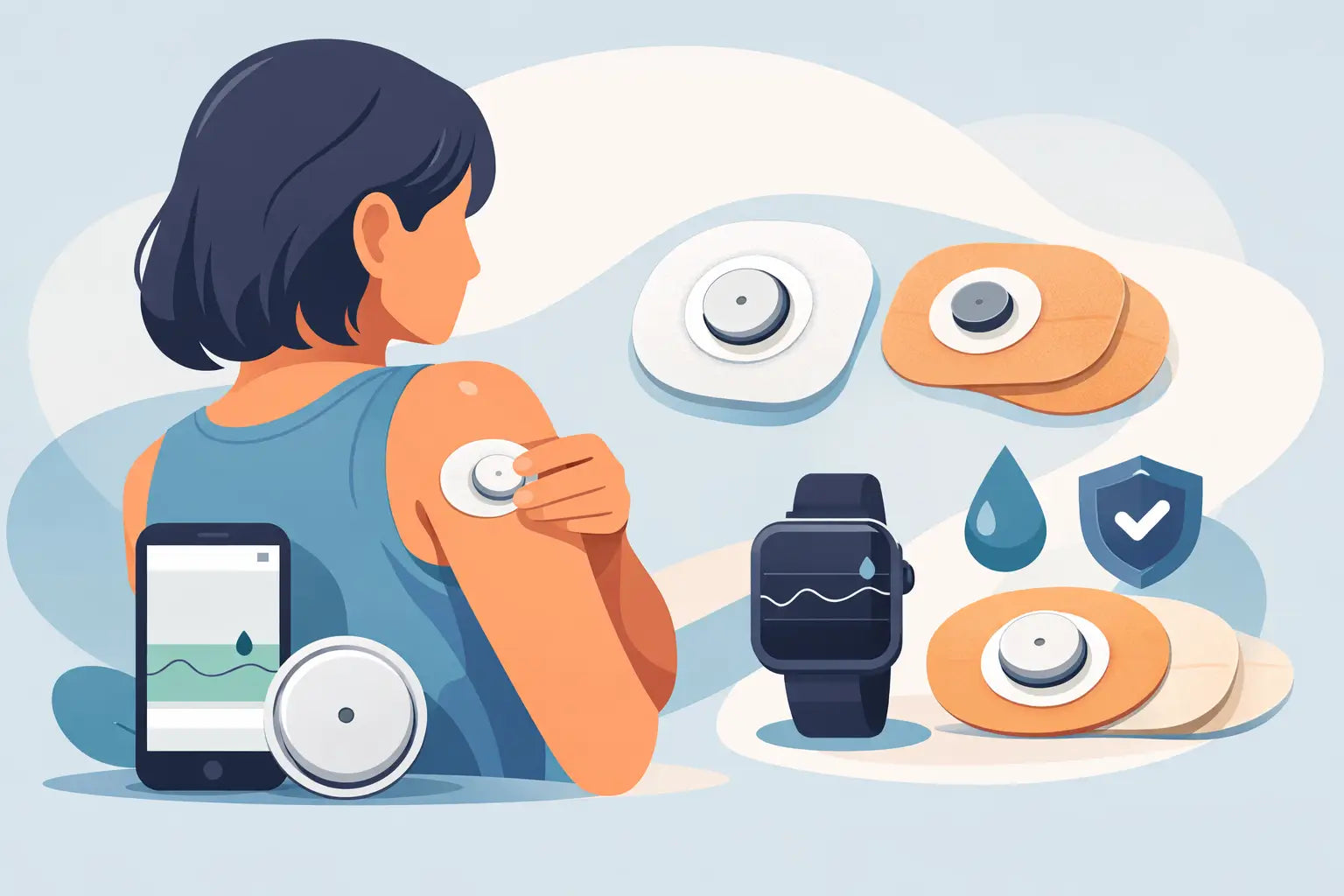
Once you can lift an edge, support the skin with one hand and slowly peel the adhesive back over itself rather than pulling straight up. Think low and slow. This reduces tension on the skin and usually hurts less. If the adhesive resists, stop and add a skin-safe adhesive remover instead of forcing it.
When to use an adhesive remover
Not every CGM removal requires a remover, but many do. This depends on your skin type, how long the device has been on, whether you used a skin prep barrier, and whether you wore an extra patch over the sensor. Waterproof patches and high-hold overpatches are designed to stay on through sweat, movement, and showers. That performance is useful during wear, but it can make removal more stubborn at the end of the cycle.
A medical-grade adhesive remover wipe or liquid can break down the sticky layer so the patch releases with less friction. This is often the best option for people with sensitive skin, anyone seeing redness after removal, or users who notice repeated adhesive buildup around the edges.
Apply the remover at the lifted edge and let it travel under the adhesive as you continue peeling slowly. Give it a few seconds to work. Rushing this step defeats the point. If needed, apply more as you go rather than trying to saturate the entire patch at once.
Alcohol is not the best first choice for removing adhesive. It can dry the skin, sting on irritated areas, and does not always dissolve adhesive effectively. For routine CGM removal, a purpose-built adhesive remover is usually more skin-conscious and more efficient.
Oil-based options at home
If you do not have a dedicated remover, some people use mineral oil, baby oil, or coconut oil to loosen residue. These can work, but they come with trade-offs. Oils may leave a film on the skin, and that film needs to be fully washed off before your next sensor or patch application. Any leftover residue can interfere with adhesion.
If you use an oil-based method, keep it limited to sensor removal days and clean the area thoroughly afterward with gentle soap and water. Do not place a new sensor on skin that still feels slick.
What to do with sticky residue left behind
The device may be off, but the adhesive outline remains. This is where many people start scrubbing, and that is usually when irritation gets worse.
Instead, apply a small amount of adhesive remover or oil to the residue and let it sit briefly. Then wipe gently with a soft cloth or gauze. You may need two passes. That is normal. Residue that has mixed with sweat, lint, or skin prep can be stubborn.
If small bits are still left, it is better to remove most of it and wash the skin than to overwork the area. A little leftover tackiness that comes off in the shower is usually preferable to friction damage from aggressive rubbing.
Afterward, wash the area with mild soap and lukewarm water. Pat dry. If your skin looks pink but not broken, give it time to settle before applying anything else.
If your skin is red, itchy, or peeling
Some redness after removal can happen, especially if you have worn a sensor and overpatch through heat, workouts, or frequent moisture exposure. But not all redness is the same.
A faint pink outline that fades within a few hours is often simple mechanical irritation from strong adhesion. Bright redness, itching, rash-like bumps, or peeling may suggest irritation from the adhesive itself, friction during removal, or contact sensitivity to a product used underneath.
If the skin is intact, a bland, fragrance-free moisturizer can help once the area is fully clean and no new device is going there. If the skin is broken, weeping, or increasingly inflamed, it is worth pausing and speaking with your clinician. Repeated skin injury can make future CGM wear harder and less comfortable.
It also helps to rotate sites consistently. Even the best removal technique cannot fully compensate for using the same location too often.
How to remove CGM adhesive if you also wear an overpatch
This is a little different because there are two adhesive layers involved. The overpatch usually comes off first, and the sensor adhesive remains underneath. Treat them as separate steps.
Loosen the overpatch edge and remove it slowly with adhesive remover if needed. Once that is off, assess the sensor adhesive on its own. Some users try to remove both layers together to save time, but that tends to increase pull on the skin and can be uncomfortable, especially around the sensor housing.
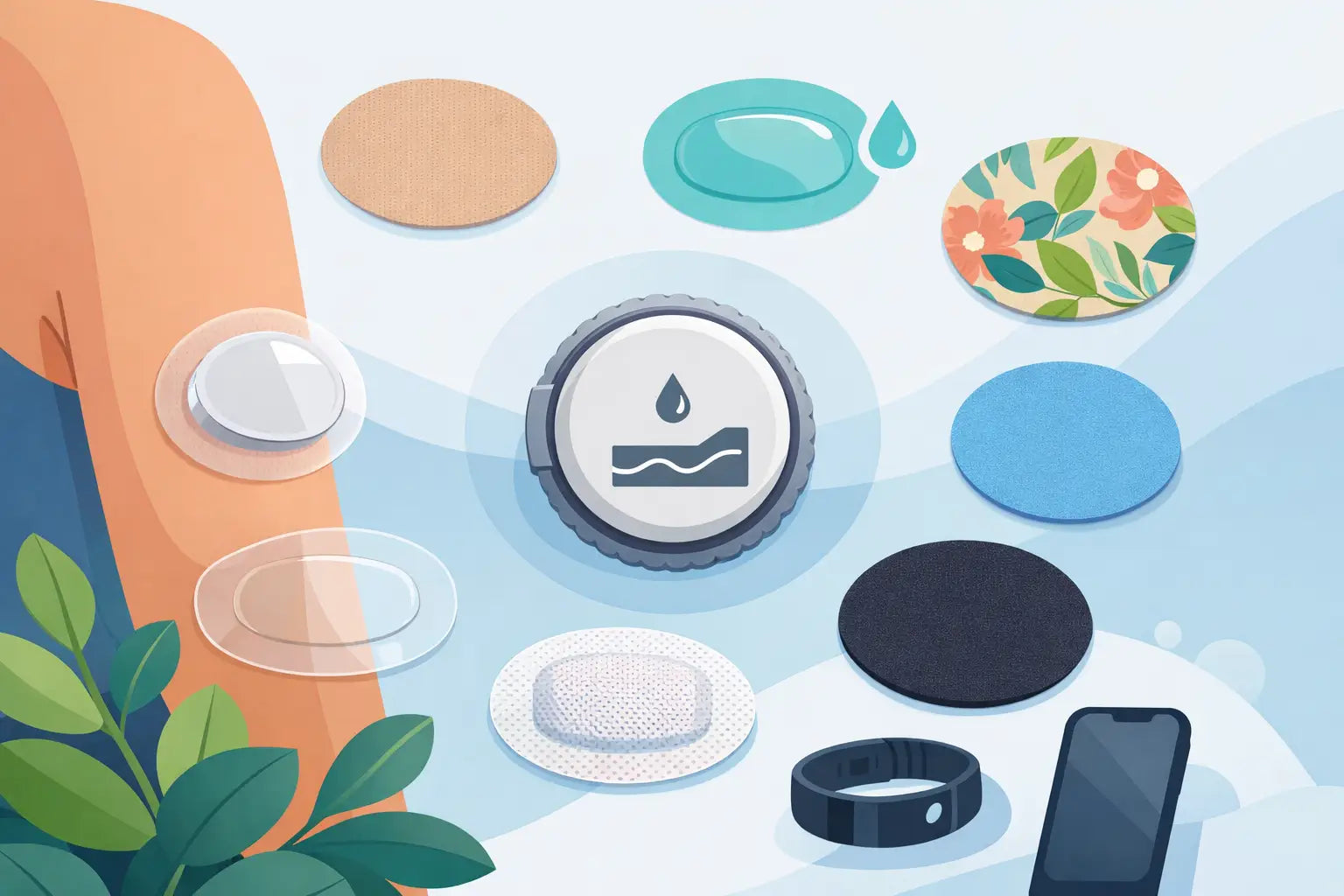
If you use high-performance patches designed for swimming, exercise, or long wear, expect removal to take an extra minute. That is not a flaw. Strong hold and gentle removal are related, but they are not the same thing. Products engineered to stay on in real life often need a more deliberate removal process.
A better routine for sensitive skin
If you regularly struggle with adhesive removal, the fix may start earlier in the wear cycle. Skin prep choices, site rotation, and patch selection all affect how your skin behaves at removal.
For sensitive skin, it can help to keep the routine simple. Use clean, dry skin at application. Avoid layering multiple products unless you know they work well together. If you use a barrier wipe, make sure it is fully dry before applying the sensor or patch. At removal, use a remover designed for skin, peel slowly, and wash the area before deciding whether the skin needs rest.
Some users do better with adhesive systems that are strong enough for daily life but not excessively aggressive at the edges. That balance matters more than maximum stick in every situation. OHMRX builds CGM patch solutions around that real-world trade-off, because secure wear is only part of the job. Skin tolerance over repeated cycles matters too.
Common mistakes that make removal harder
The most common mistake is peeling fast because you want the process over with. The second is trying to remove residue with friction instead of dissolving it first. Another frequent issue is placing the next sensor too quickly on skin that is still irritated, damp, or coated with leftover oil.
There is also an assumption that if an adhesive stayed on well, removal has to be rough. That is not necessarily true. In many cases, better removal comes down to using the right product, waiting a few seconds longer, and supporting the skin as you peel.
When removal pain is not normal
Some discomfort can happen, especially on areas with more hair or after long wear. But sharp pain, skin tearing, bleeding, or repeated post-removal rashes are signs that something in the routine needs to change.
That could mean switching removal products, changing sites, trimming hair instead of shaving, or talking with your clinician about adhesive sensitivity. If you use a CGM continuously, skin care is not an extra step. It is part of device performance.
A good removal routine should leave your skin ready for the next cycle, not recovering from the last one. When you slow down, soften the adhesive first, and treat your skin like the wearable surface it is, removal gets easier and your overall CGM routine becomes a lot more sustainable.

Leave a comment
This site is protected by hCaptcha and the hCaptcha Privacy Policy and Terms of Service apply.