
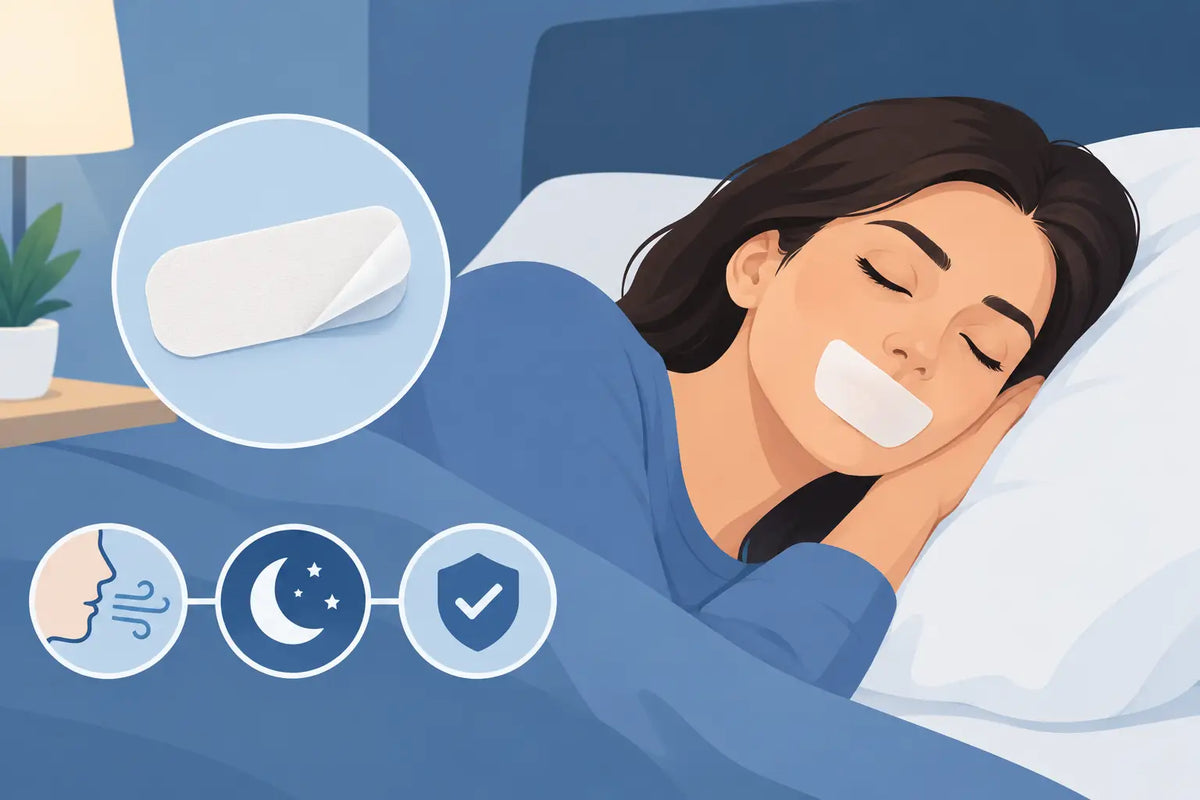
A better sleep routine should not begin with forcing your way through discomfort. This mouth tape beginner guide is designed for adults who are curious about nighttime mouth taping but want a measured, safety-first way to try it. The goal is simple: support a closed-mouth sleep posture when nasal breathing is already comfortable, without treating tape as a fix for an underlying breathing problem.
Mouth tape has become a common sleep-wellness tool, often associated with dry-mouth reduction, quieter breathing, and more consistent nasal breathing overnight. Those potential benefits are why people try it. But the results depend on the person, their nasal airflow, the tape design, and how cautiously they introduce the habit.
What mouth tape is designed to do
Mouth tape is a small, skin-safe adhesive strip placed over the lips before sleep. It is intended to encourage the lips to stay gently closed, which may help people who tend to sleep with an open mouth despite being able to breathe freely through their nose.
This is a behavioral support tool, not a treatment for sleep apnea, chronic congestion, allergies, or structural nasal obstruction. If you regularly wake up gasping, snore loudly, have witnessed breathing pauses, feel excessively sleepy during the day, or have been told you may have sleep apnea, skip mouth tape and speak with a qualified clinician. Covering the mouth does not address obstructed airflow and could delay proper evaluation.
The same principle applies when you are sick, congested, nauseated, have been drinking alcohol, or are using sedating medication unless a clinician has advised otherwise. Your ability to breathe comfortably through your nose needs to be reliable before tape is even considered.
Who should not use mouth tape
A careful screening step matters more than any application technique. Mouth tape is not appropriate for children. Adults should also avoid it if they have untreated or suspected sleep apnea, significant nasal blockage, uncontrolled asthma symptoms at night, chronic respiratory disease that affects breathing, facial skin irritation, or a history of panic related to restricted breathing.
It is also not a good fit for anyone who cannot easily remove the tape on their own. If you use a CPAP device or another prescribed sleep-breathing treatment, do not change your setup based on a social media trend. Ask the clinician managing your care whether mouth taping is appropriate for your specific therapy.
Pregnancy, temporary illness, seasonal allergies, and a new medication can all change nighttime breathing. What felt comfortable last month may not be suitable tonight. This is one reason a simple nightly check is more practical than assuming mouth tape belongs in every sleep routine.
Mouth tape beginner guide: start with nasal breathing
Before opening a package, test your baseline. Sit upright and close your lips gently. Breathe through your nose for several minutes without straining, holding your breath, or feeling air hunger. Then lie down in your usual sleeping position and repeat the check.
If nasal breathing feels limited, noisy, or effortful, do not tape. Address the cause first. Sometimes that means adjusting bedroom humidity, managing known allergies with guidance from a healthcare professional, or getting persistent congestion assessed. Mouth tape works best as a support for comfortable nasal breathing, not as a workaround for the absence of it.
A simple daytime trial can help remove uncertainty. Apply a small amount of tape while awake, seated, and calm for a few minutes. You should be able to breathe normally through your nose and remove the tape quickly without pulling or stinging. If the sensation causes distress, stop. There is no benefit in pushing through anxiety to build a sleep habit.
Choose a tape made for facial skin
Not all adhesive tape belongs on lips. Household, athletic, packaging, and medical tapes may use adhesives that are too aggressive for the thin, mobile skin around the mouth. They can leave residue, cause irritation, or make removal unnecessarily uncomfortable.
Use a purpose-designed mouth tape with a gentle adhesive and a shape that supports easy removal. Some people prefer a strip that covers the center of the lips while leaving the corners less restricted. Others prefer a fuller lip-covering design. Neither format is automatically better. The right choice is the one that stays in place comfortably, removes cleanly, and does not create a feeling of restriction.
Skin preparation affects performance. Start with clean, dry skin free from lip balm, moisturizer, facial oil, or heavy skincare products around the mouth. Those products can weaken adhesion and lead to repeated repositioning, which may irritate skin. If you have sensitive skin, test a small section first and avoid use over cracked lips, rashes, cold sores, or freshly treated skin.
Your first-night setup
Keep the first attempt deliberately low-pressure. Choose a night when you are not congested, exhausted, traveling, or expecting a disrupted sleep schedule. Have water nearby and make sure you can remove the tape easily in low light.
After brushing your teeth and completing skincare, allow the lip area to dry completely. Apply the tape with relaxed lips, not pursed lips or clenched teeth. Press lightly along the adhesive to secure it. The tape should feel present but not tight.
Then spend a few minutes awake in bed. Breathe through your nose, shift positions, and confirm you can remove the tape without difficulty. If anything feels wrong, take it off. A successful first night is not about wearing tape until morning. It is about learning whether the tool is comfortable and appropriate for you.
For many beginners, a partial night is the sensible starting point. If you wake up and want to remove it, remove it. There is no need to reapply it or judge the experience as a failure. Consistency comes from a routine that feels safe enough to repeat, not from forcing an all-or-nothing result.
What to expect the next morning
Pay attention to practical outcomes rather than chasing a dramatic transformation. You may notice less morning dry mouth, fewer open-mouth episodes, or no meaningful change at all. Sleep quality is influenced by stress, caffeine, room temperature, alcohol, bedtime timing, pain, and many other variables. One night rarely tells the full story.
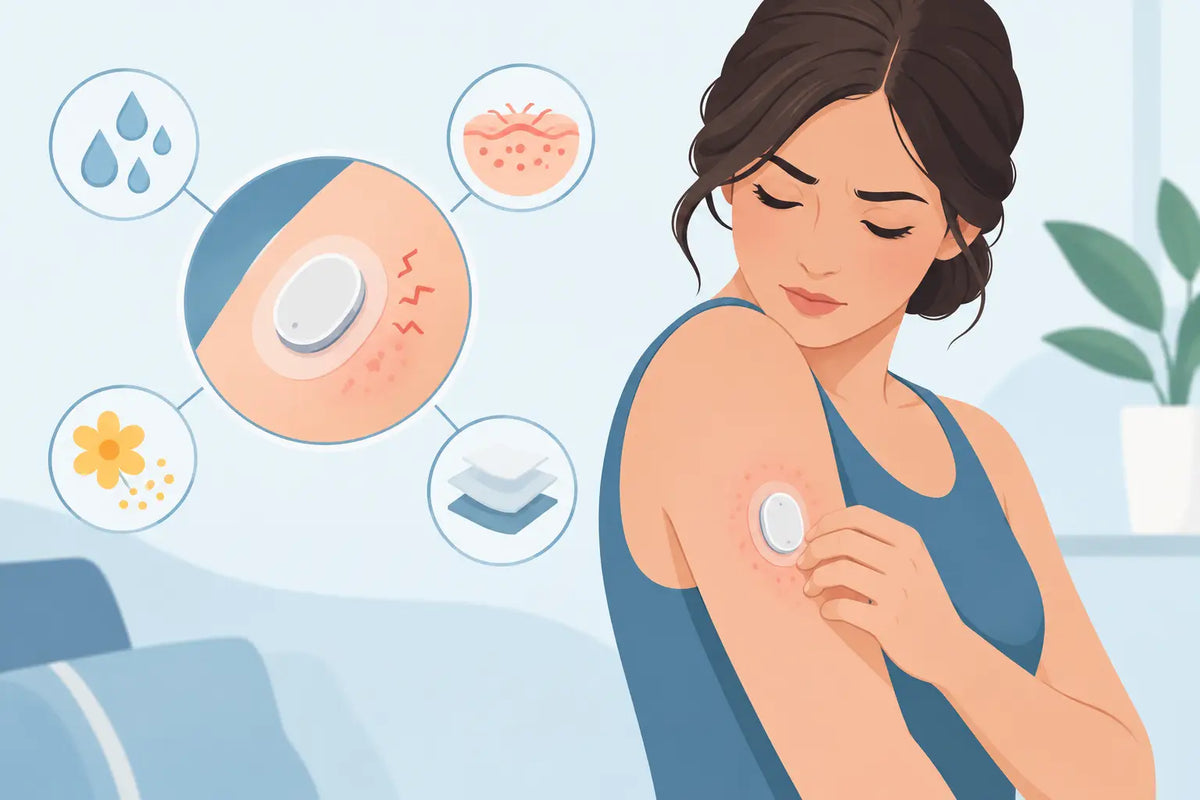
Check your skin as well. Mild temporary redness can happen, especially during the first uses, but persistent redness, itching, burning, swelling, broken skin, or a rash means you should stop using the tape. Do not keep testing the same irritated area night after night. Give the skin time to recover and consider whether the adhesive, placement, or product format is the issue.
Also notice how you feel during the day. If you wake with headaches, unusual fatigue, worsened snoring reported by a partner, or any sense that your breathing was impaired, discontinue use and seek clinical guidance. Mouth tape should never leave you wondering whether you were able to breathe well overnight.
Common beginner mistakes
The most common mistake is treating mouth tape as a cure for snoring. Snoring has multiple causes, including nasal congestion, alcohol, sleep position, anatomy, and sleep-disordered breathing. Tape may make some people quieter by supporting lip closure, but it cannot diagnose or resolve the cause of persistent snoring.
Another mistake is applying tape over moisturized skin and then pressing harder to compensate when it lifts. Better preparation is safer than more pressure. Clean, dry skin and a purpose-made product generally provide a more comfortable hold.
Finally, do not overlook sleep position. Side sleeping may feel easier for some beginners because it can reduce the sensation of facial pressure and may support more stable breathing. It depends on your usual comfort and any medical guidance you already follow. The goal is not to engineer a perfect sleep setup overnight. It is to make one controlled change at a time.
Build a routine, not a dependency
If mouth tape proves comfortable and suitable, keep the routine simple: assess nasal airflow, apply to clean dry skin, and stop when you are sick or congested. That approach is more useful than wearing it automatically every night regardless of circumstances.
OHMRX mouth tape is designed for people who want a practical sleep-support tool with an everyday-use mindset: skin-conscious materials, straightforward application, and no gimmicks. Still, the product should fit your breathing and skin tolerance, not the other way around.
The best next step is modest: try it only on a night when nasal breathing feels easy, give yourself permission to remove it at any time, and let comfort guide the decision to continue.


Leave a comment
This site is protected by hCaptcha and the hCaptcha Privacy Policy and Terms of Service apply.