
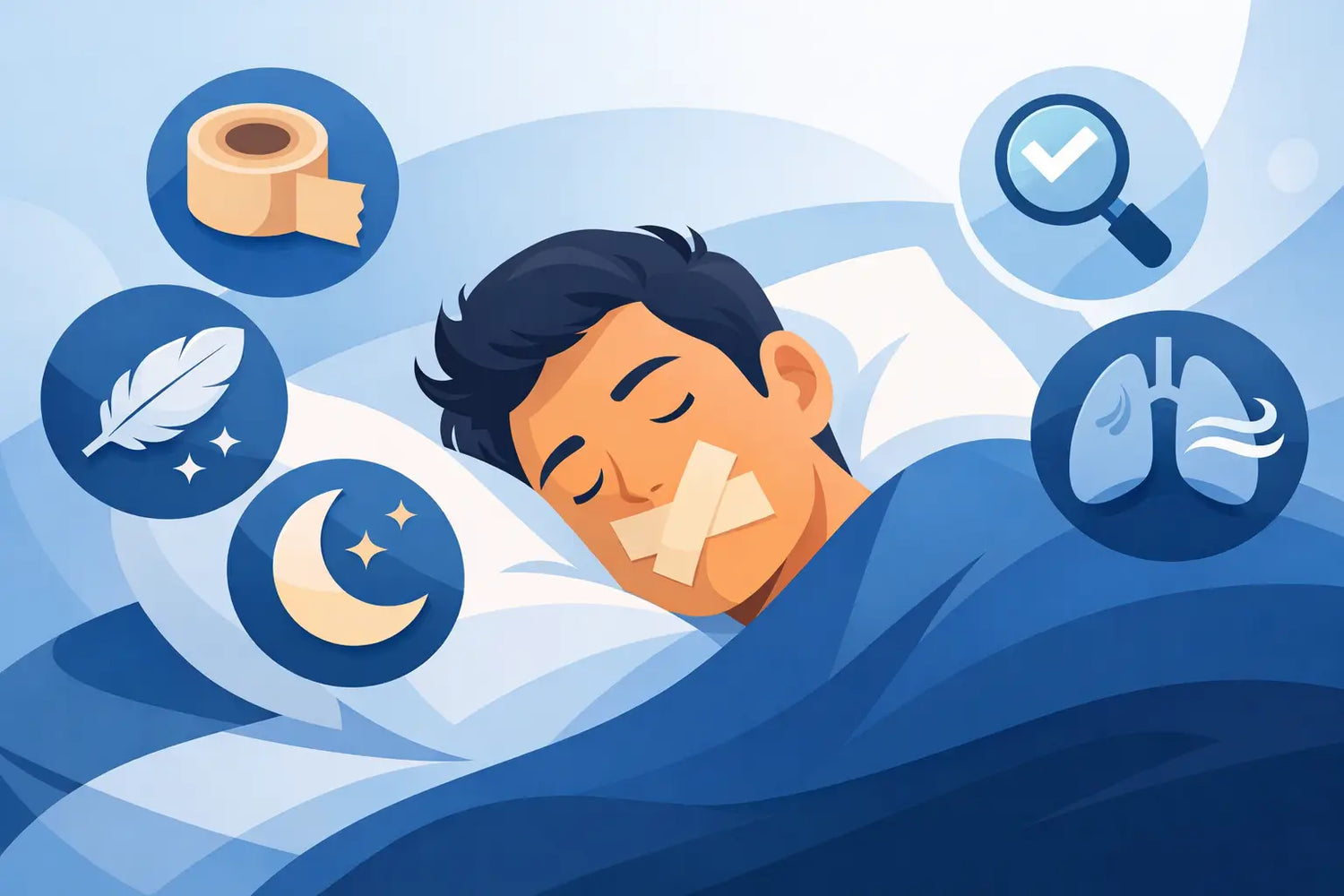
A mouth tape that peels off at 2 a.m. is not a sleep tool. It is a distraction. If you are searching for the best mouth tape for sleeping, the right choice usually comes down to a few practical details: skin-safe adhesive, comfortable airflow design, consistent hold, and a shape you will actually use every night.
What the best mouth tape for sleeping should actually do
Mouth tape is simple by design, but the standard for a good product should be higher than “it sticks.” A well-made tape supports nasal breathing during sleep without feeling aggressive on the skin or awkward across the lips. That balance matters because sleep products only work when people can use them consistently.
The best mouth tape for sleeping should stay in place through normal overnight movement, but it should not feel like industrial adhesive. It should be easy to apply with clean edges, easy to remove in the morning, and compatible with sensitive facial skin. If the material feels overly rigid, leaves residue, or causes irritation after a few nights, it is probably not the right option for repeat use.
This is where a lot of low-quality products miss the mark. They treat adhesion as the only job. In reality, comfort and skin tolerance are just as important as staying power.
Start with safety, not marketing
Mouth tape has become a popular sleep accessory, but it is not for everyone. If you regularly deal with nasal congestion, a deviated septum, untreated sleep apnea, or difficulty breathing through your nose, taping your mouth shut at night may not be appropriate. The same applies if you feel anxious or claustrophobic with facial adhesives.
A clinically informed approach is straightforward here. If nasal breathing is already comfortable for you during the day and your goal is to support a more consistent nighttime habit, mouth tape may be worth considering. If nose breathing is difficult when you are awake, a tape product should not be the first thing you use to force the issue.
For many adults, the right question is not whether mouth tape is trending. It is whether the product fits their actual breathing pattern, skin sensitivity, and sleep routine.
How to evaluate mouth tape without overcomplicating it
The easiest way to compare products is to focus on the features that affect overnight performance.
Adhesive quality
Adhesive is the first filter. Too weak, and the tape lifts during sleep. Too strong, and removal becomes the problem. The best options tend to use skin-conscious adhesive that holds reliably but releases without tearing at the lips or the surrounding skin.
If you have sensitive skin, this matters even more. A tape can look minimal and still create redness, dryness, or irritation after repeated use. For a nightly product, repeat-use tolerance is part of performance.
Material feel
The backing material should flex with the face. A stiff strip can feel obvious every time you move your mouth, which makes some people more likely to pull it off unconsciously. Softer, breathable materials generally feel less intrusive.
Thin materials also tend to sit better against the skin. Bulkier options may create edge lift or feel heavy, especially if you use skincare products before bed.
Shape and airflow design
Not every mouth tape is a full horizontal strip. Some products use a vented or central-opening design that encourages lip closure without fully sealing the mouth. For first-time users, that can feel more manageable than a fully covered strip.
This is one of those cases where “best” depends on the person. If you want maximum simplicity, a standard strip may be enough. If you want a less restrictive feel, a shape designed to support a small margin of airflow may be a better fit.
Size and fit
A tape that is too small may not hold well. Too large, and it can bunch at the corners of the mouth or overlap areas of skin that do not need coverage. Good fit is part of comfort, and comfort drives consistency.
Morning removal
A product can perform well overnight and still fail the test in the morning. If removal is painful, leaves residue, or requires oil or water every day, that friction adds up. A better design leaves your skin intact and your routine simple.
Common trade-offs when choosing the best mouth tape for sleeping
There is no perfect formula for every sleeper. Most products involve a few trade-offs, and knowing them upfront makes shopping easier.
Stronger adhesion usually improves overnight hold, but it can be tougher on sensitive skin. Softer adhesive is often more comfortable, though some users may notice lifting if they sleep on their side, use heavy lip balm, or sweat at night.
A fully sealed strip may feel more secure, but it can also feel more intense for beginners. A vented design may feel easier to tolerate, though some people prefer the simplicity of a classic strip with full surface contact.
Minimalist materials often feel better on the face, but they still need enough structure to apply cleanly and stay aligned. If a tape wrinkles during application, that can affect both hold and comfort.
Who tends to do best with mouth tape
Adults who already breathe comfortably through their nose, want a cleaner bedtime routine, and prefer low-tech sleep support often do well with mouth tape. It can be especially appealing to people who value routine-based wellness products - something practical, compact, and easy to use without charging, refilling, or adjusting settings.
It may also suit people who want a more engineered approach to sleep support. In that context, the best product is not the one with the loudest claim. It is the one designed for repeat use with dependable adhesive, skin safety, and real-life comfort.
Signs a mouth tape is not the right fit
If you wake up with irritation around the lips, the adhesive may be too aggressive or the material may not agree with your skin. If the tape repeatedly lifts at the edges, you may be dealing with weak adhesion, oil on the skin before application, or a shape that does not fit your face well.
If you feel panicked or short of breath while wearing it, stop using it. Mouth tape should never create a sense of compromised breathing. A good product supports a habit that already makes sense for your body. It should not create a struggle.
How to get better results from mouth tape
Application technique matters more than many people expect. Skin should be clean and dry before use. Lip balm, face oil, and heavy moisturizer around the mouth can reduce adhesion quickly.
Pressing the tape down firmly for a few seconds helps improve initial hold. If you are new to mouth tape, testing it for a short period before sleep can help you get comfortable with the feel and removal. That is often a better approach than committing to a full night on day one.
Routine also matters. Products designed for nightly use should feel easy enough that you do not debate them at bedtime. That is part of why quality matters. The best mouth tape for sleeping is usually the one you stop noticing because it works the same way every night.
What sets a high-quality option apart
A high-quality mouth tape should feel intentionally designed, not repurposed from general adhesive products. That means skin-safe materials, dependable construction, and packaging that supports daily use. It should be clear how to apply it, what kind of fit to expect, and whether it is intended for beginners, sensitive skin, or stronger hold.
This is where clinically informed brands tend to stand out. They focus less on hype and more on repeatable performance - how the product behaves after seven nights, not just one. OHMRX approaches sleep support the same way it approaches other daily wellness essentials: no shortcuts, no gimmicks, just practical design built for real life.
So what is the best mouth tape for sleeping?
The best mouth tape for sleeping is the one that balances four things well: skin safety, comfort, consistent adhesion, and ease of use. If one of those is missing, the product is harder to stick with, and consistency is the whole point.
For some people, that means choosing a gentler adhesive because they know their skin runs reactive. For others, it means prioritizing overnight hold because they move a lot in their sleep. If you are deciding between options, look past broad promises and focus on material quality, adhesive behavior, and whether the design makes sense for nightly use.
A good sleep product should reduce friction, not add it. When mouth tape is well made, it becomes part of a stable bedtime routine - simple, comfortable, and easy to trust night after night.

Leave a comment
This site is protected by hCaptcha and the hCaptcha Privacy Policy and Terms of Service apply.