

A Libre 3 sensor is small, light, and designed for continuous wear. That does not mean every day of wear is easy. Sweat, showers, workouts, humid weather, and sensitive skin can all test adhesion fast, which is why the search for the best Libre 3 overpatch usually comes down to one thing: keeping your sensor secure without making your skin pay for it.
That sounds simple, but it is where most patches separate quickly. A patch can grip hard and still irritate. It can feel gentle and still lift at the edges by day three. The best option is not the one with the loudest claims. It is the one engineered for the actual conditions Libre 3 users deal with over a full wear cycle.
What makes the best Libre 3 overpatch
For most users, performance starts with fit. Libre 3 is compact, so an overpatch needs to support that smaller footprint without adding bulk or catching on clothing. A patch that is too large can crease more easily. One that is too stiff may start peeling when your arm flexes. A good Libre 3 overpatch stays low-profile and moves with the body instead of fighting it.
Adhesive quality matters just as much as shape. The strongest patch on paper is not automatically the best patch in practice. What you want is stable adhesion that holds through sweat, bathing, sleep, and routine movement, while still removing cleanly at the end of the sensor session. That balance is harder to get right than many shoppers expect.
Material choice also affects day-to-day wear. Flexible fabric-style patches tend to conform better to the arm, especially for active users. Water resistance is essential, but breathability still matters. If moisture gets trapped under a patch, skin can become irritated even if the patch stays attached.
Then there is skin safety. If you wear a CGM continuously, overpatches are not a one-time purchase. They are part of your routine, often reordered every 10 to 14 days. That makes ingredient profile, adhesive behavior, and overall skin tolerance more important than a flashy design or novelty print.
Best Libre 3 overpatch features that actually matter
The best Libre 3 overpatch is usually defined by a few practical details rather than a single headline feature. First is compatibility. Some patches are marketed as universal CGM covers, but a patch designed specifically around Libre 3 dimensions tends to perform better. Precise sizing helps distribute hold evenly and reduces unnecessary lifting around the perimeter.
Second is edge durability. Most patch failures do not begin in the middle. They start at the corners or edges after friction from shirts, towels, or exercise. A well-made overpatch has clean-cut edges and a material that resists fraying or curling during normal wear.
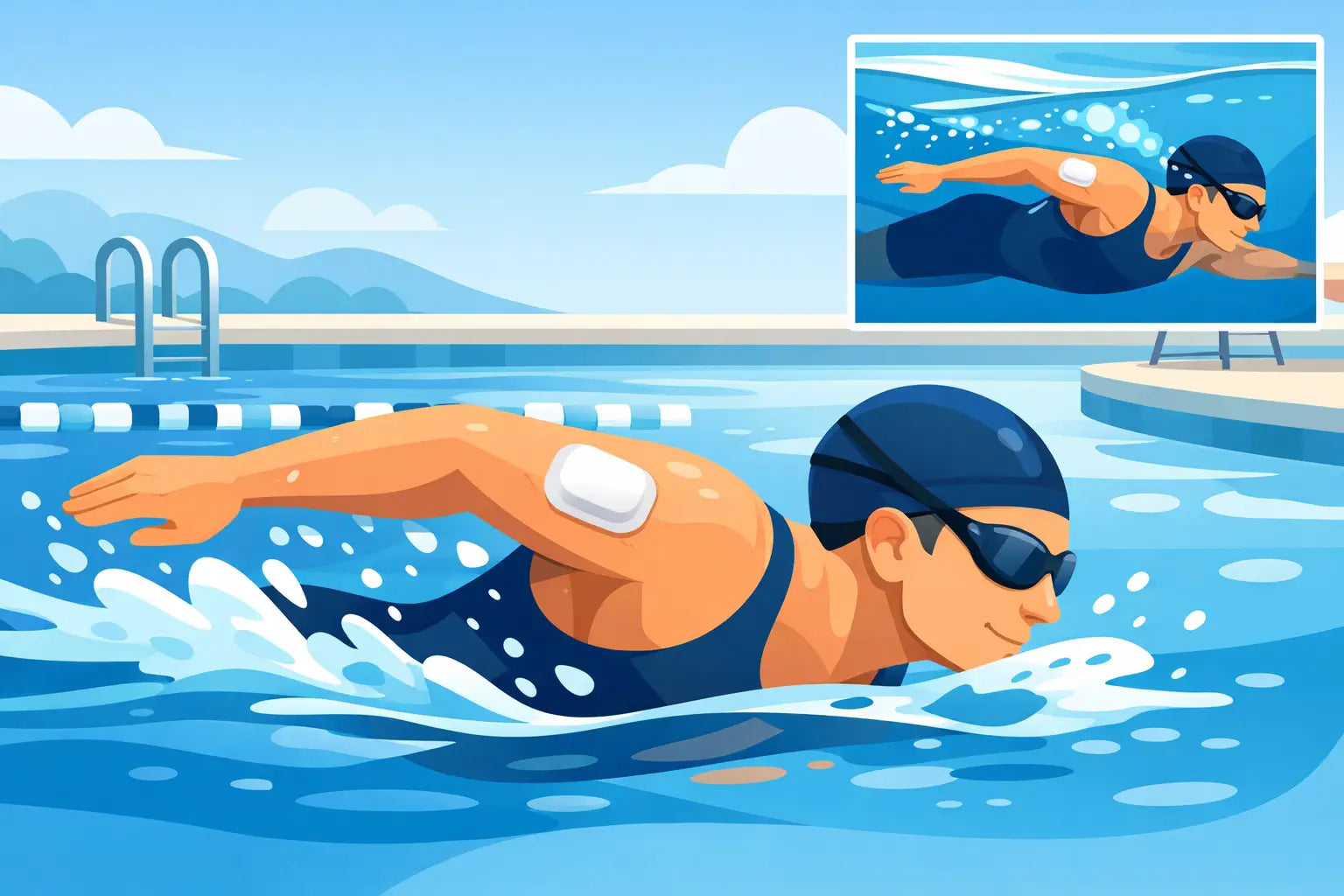
Third is waterproof performance. This does not mean a patch should feel like plastic. It means the adhesive should maintain hold after repeated exposure to water, including daily showers, pool time, or humid conditions. If you live in a warm climate or train regularly, this point becomes less of a bonus and more of a requirement.
Fourth is comfort over time. Some patches feel fine right after application and become itchy later. Others pull too hard as the skin shifts over several days. Reliable comfort usually comes from a combination of soft backing material, skin-conscious adhesive, and a design that does not place excess tension around the sensor.
Why some Libre 3 overpatches fail early
Early lifting is often blamed on user error, but that is only part of the story. Skin prep matters, yes. Applying a patch over lotion, damp skin, or fresh sweat can shorten wear time. But some patches also fail because the adhesive is poorly matched to real-world use. If a product is too rigid, too thin at the edges, or too aggressive in one area and too weak in another, it will not hold evenly.
Application design matters more than many people realize. A patch can be made from decent material and still be frustrating to place. If the backing is awkward, if the cutout is misaligned, or if the patch wrinkles during transfer, you are starting with weak points from the beginning. For Libre 3 users, clean placement is especially important because the sensor itself is small and the patch needs to support it without crowding it.
Skin chemistry also changes the answer. Some users naturally run warmer, sweat more, or have oilier skin. Others have dry or reactive skin that does not tolerate certain adhesives well. That is why there is no universal perfect patch for every person, only a better standard for what a high-quality patch should deliver.
How to choose the best Libre 3 overpatch for your routine
Start with your wear conditions, not marketing language. If your biggest issue is workouts, prioritize sweat resistance and edge hold. If your issue is skin sensitivity, focus on skin-safe adhesive construction and breathable material. If you are hard on sensors because of sports, kids, physical work, or frequent clothing friction, durability should come first.
Think about how often you swim, shower, and spend time outside. Water exposure compounds over a sensor cycle. A patch that survives one shower is not necessarily built for ten days of repeated exposure. The right product should maintain consistent adhesion without becoming stiff, gummy, or irritating by the end of wear.
Also pay attention to how a patch removes. This part gets overlooked, but it matters if you wear sensors continuously. A patch that tears the skin barrier on removal can create problems for your next application site. Good adhesion should be dependable during use and manageable when it is time to change sensors.
For many shoppers, the best fit is a clinically informed patch built for repeat wear, not just occasional backup. That means skin-conscious materials, reliable hold, and a design that reflects actual use instead of just shelf appeal. Brands like OHMRX tend to stand out when they focus on performance standards rather than trend packaging.
Application still matters, even with the best Libre 3 overpatch
Even an excellent patch can underperform if it is applied poorly. Skin should be clean and fully dry. Oils, moisturizer, sunscreen, and soap residue all reduce adhesion. If you use skin prep, make sure it is compatible with your patch and fully set before application.
Once the patch is placed, firm pressure helps activate the adhesive. Pay extra attention to the perimeter, since edges are where lifting usually starts. It also helps to avoid applying right before intense exercise or a hot shower. Giving the adhesive time to bond can improve wear noticeably.
Placement technique matters for comfort too. A patch should sit smoothly without stretching it too much during application. If you pull it tight, it may recoil later and lift. The best result usually comes from laying it down evenly and pressing it into place rather than forcing tension across the skin.
When a simpler patch is actually better
Some Libre 3 users assume more material means more security. Often, the opposite is true. An oversized patch can create more edge area to catch on clothing and more surface for moisture to build underneath. For a small sensor like Libre 3, precision usually beats excess.
The same goes for visual extras. Decorative patterns are fine if the engineering is solid, but appearance should come after function. If a patch looks good and fails early, it is not solving the actual problem. Daily confidence comes from durability, not design flair.
That is really what defines the best Libre 3 overpatch. It should feel like a practical extension of your sensor routine, not an added hassle. You should be able to shower, sleep, work, move, and train without checking the edges every few hours.
The real standard for a Libre 3 overpatch
A strong overpatch does not need to be dramatic. It needs to be consistent. It should stay on through normal life, respect sensitive skin, and work well enough that reordering becomes routine rather than a gamble.
If you are comparing options, look past broad claims and focus on fit, adhesive stability, water resistance, and skin tolerance over repeated use. The best Libre 3 overpatch is the one that holds up in the real conditions you live in and leaves your next sensor change just as easy as this one.


Leave a comment
This site is protected by hCaptcha and the hCaptcha Privacy Policy and Terms of Service apply.