
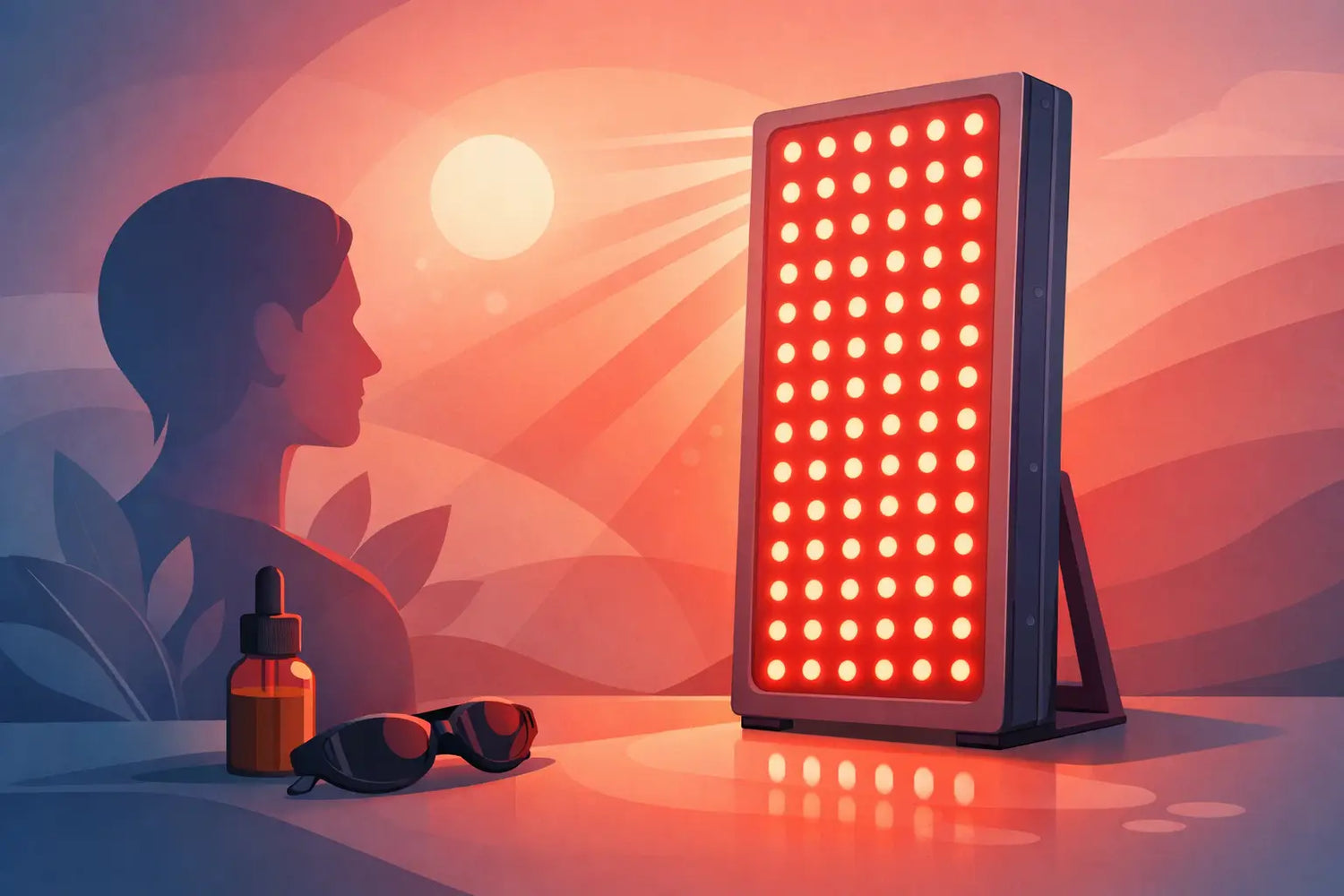
A red light panel can look simple on the outside - a grid of LEDs, a stand, a power switch. But if you are trying to choose the best red light therapy panel for real daily use, the details matter more than the marketing. The right panel should match your goals, your space, and the way you actually plan to use it three or four times a week, not just the first week it arrives.
That is where many buyers get stuck. Panels are often sold with oversized claims, inconsistent specs, and very different form factors. If your priority is recovery, circulation, skin support, or general wellness consistency, the best choice is rarely the biggest device or the one with the longest feature list. It is the panel you will use correctly, comfortably, and often enough to make it part of your routine.
What makes the best red light therapy panel?
The best red light therapy panel is not a universal product category winner. It depends on whether you want targeted treatment for the face, neck, joints, or lower back, or broader coverage for larger muscle groups and full-body sessions. Panel size changes everything - treatment time, placement flexibility, power needs, and how easy the device feels to use on a normal weekday.
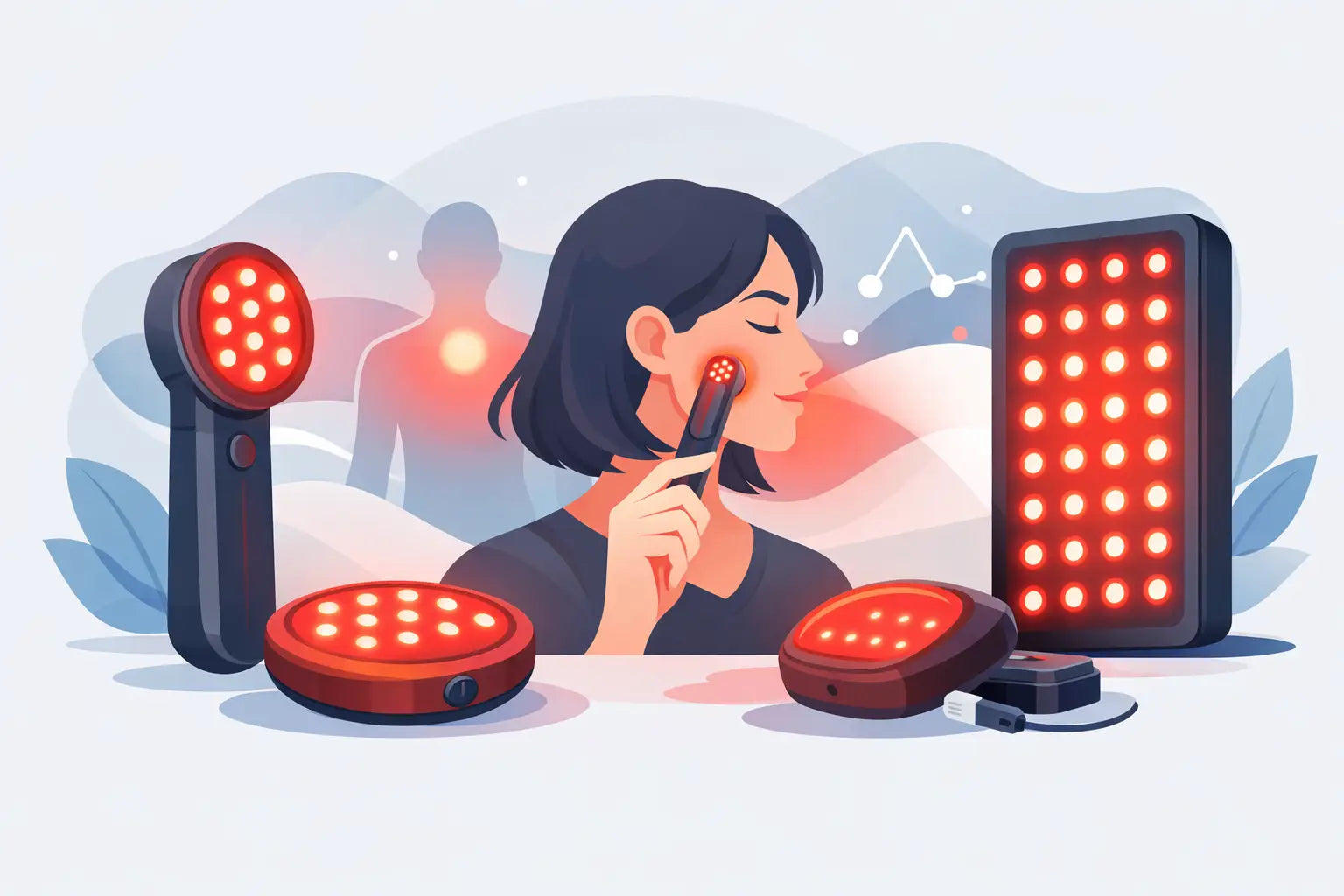
A small panel usually makes sense for focused use. It is easier to set on a desk, nightstand, or countertop and can work well for facial skin support or a specific area like a knee or shoulder. The trade-off is coverage. If you want to treat multiple areas or larger zones, you may end up spending more time repositioning than you expected.
A medium or large panel is more efficient for people building a repeatable recovery or wellness routine. You get broader treatment coverage in one session, which often improves consistency. The trade-off is footprint, cost, and setup. Larger panels can be less practical in apartments, shared bedrooms, or any home where equipment needs to stay out of the way when not in use.
Start with your use case, not the specs sheet
Before comparing output numbers, decide what you want the panel to do in your life. If your goal is skin-focused use, a smaller or mid-size panel placed at the proper distance may be enough. If your main focus is muscle recovery after training or general body exposure, a larger panel may be the better fit.
This sounds obvious, but it is where many purchases go wrong. People shop by headline features, then end up with a device that is technically impressive and practically inconvenient. A panel that takes over a room, needs constant adjustment, or feels awkward to position is less likely to become a long-term habit.
For most adults, the best buying decision comes from balancing four factors: coverage, ease of setup, session length, and frequency of use. When those align, the panel becomes usable instead of aspirational.
Best red light therapy panel features to compare
Wavelengths are one of the first things to review. Most panels use red light, near-infrared light, or a combination of both. Red light is commonly selected for more surface-level use, while near-infrared penetrates more deeply and is often preferred for muscles, joints, and broader recovery support. A panel that includes both gives more flexibility, especially if more than one person in the household plans to use it.
Power and irradiance also matter, but this is where buyers should stay grounded. More power is not automatically better if the panel can only be used effectively at an impractical distance or if the company does not present testing clearly. What you want is sufficient output for realistic session lengths, with usage guidance that is easy to follow.
Beam angle can affect how concentrated or spread out the light feels across the treatment area. A narrower angle may deliver more intensity at a given distance, while a wider angle may improve coverage uniformity. Neither is inherently better. It depends on whether your priority is a targeted zone or a more even spread over a larger area.
Build quality deserves more attention than it usually gets. A good panel should feel engineered for repeated home use, with stable mounting, reliable cooling, straightforward controls, and clear safety labeling. If the panel rattles, overheats, or relies on confusing settings, that is not a premium feature set - it is a compliance problem waiting to happen.
Safety and standards are not optional
This category sits in the medical-adjacent wellness space, which means buyers should be careful about product credibility. Certifications, electrical safety standards, material quality, and clear user instructions matter. So does realistic guidance around eye comfort, treatment distance, and session timing.
The best red light therapy panel should make safe use simple. You should not have to reverse-engineer the manual to figure out where to stand or how long to use it. Clear dosing guidance is part of product quality.
This is also a category where exaggerated claims are common. Be cautious with brands that promise every possible outcome with no nuance. Real products should be presented with discipline. Some people want a panel for skin appearance, some for recovery support, some for routine wellness use. A credible product respects those differences rather than pretending one protocol fits everyone.
Size, setup, and routine fit
A panel can have strong specs and still be the wrong choice if it does not fit your home or schedule. Think about where you will actually use it. If the answer is "I am not sure," the setup may already be too complicated.
Desktop panels work well for people who want consistency with minimal friction. You place the device in one spot, use it during a short part of your morning or evening routine, and put it away if needed. This is often the most sustainable option for first-time users.
Floor-standing or wall-mounted panels can make more sense for buyers who already know they want larger-area treatment and have the space to support it. They reduce repositioning and can save time over the long term. The trade-off is commitment. A larger panel is not casual equipment. It works best when you have a defined place for it and a defined reason to use it.
If portability matters, check weight, handle design, cord length, and whether the stand is included or sold separately. Those details sound small, but they directly affect whether the device is easy to use three months from now.
How to judge value without getting distracted
Price alone does not tell you much in this category. A lower-cost panel may be perfectly appropriate for targeted use, while a premium-priced model may only make sense if you need broader coverage, better mounting options, or more consistent output across larger treatment areas.
The better question is whether the panel solves your actual use case without adding friction. If a moderately priced model covers your priority area, fits your space, and supports regular sessions, it may offer better value than a more expensive unit that is oversized for your needs.
This is where clinically informed product design matters. Buyers benefit from products built around real-life use, not just spec inflation. OHMRX approaches wellness devices that way - practical design, clear standards, and no gimmick-first positioning. In a category full of noise, that kind of discipline matters.
Who should buy small, medium, or large?
A small panel is a strong choice for first-time buyers, skin-focused routines, and people treating one area at a time. It is also easier to store and usually easier to justify if you are still learning what kind of red light routine works for you.
A medium panel fits the broadest range of users. It offers enough coverage to feel efficient without requiring the space or cost of a larger setup. For many households, this is the sweet spot between performance and practicality.
A large panel is best for people who know they want regular, broad-area sessions and have the room to use it properly. It can save time and reduce repositioning, but only if you are truly committed to using it. Otherwise, it can become expensive equipment that looks impressive and gets ignored.
The smartest way to choose
If you are comparing options and everything starts to blur together, simplify the decision. Pick the panel size that matches your primary treatment area. Confirm that the device includes red and near-infrared light if you want flexibility. Look for straightforward setup, credible safety standards, and clear instructions. Then ask the only question that really predicts long-term value: will this fit my routine without becoming a project?
The best red light therapy panel is the one that earns repeat use. Not because the marketing was loud, but because the design was right, the setup was realistic, and the results were worth making room for in daily life.


Leave a comment
This site is protected by hCaptcha and the hCaptcha Privacy Policy and Terms of Service apply.