
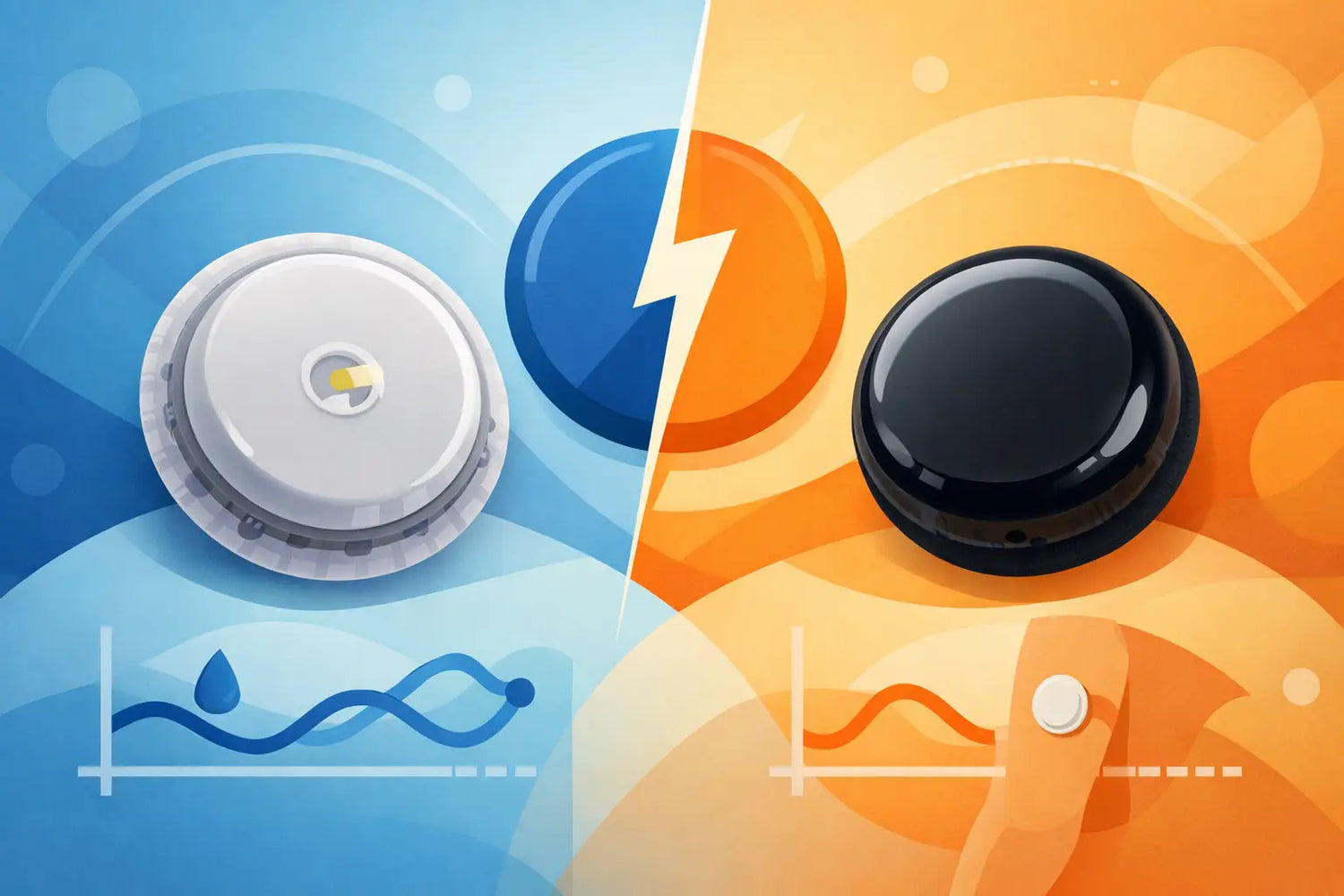
Choosing between the Dexcom G7 vs Libre 3 usually comes down to one real-world question: which system will be easier to trust and wear every day? On paper, both are compact continuous glucose monitors with smartphone connectivity and real-time data. In practice, the differences show up in alerts, wear habits, app experience, and how each sensor fits into your routine.
For most users, this is not a technology contest. It is a daily-life decision. If you are wearing a CGM through workouts, showers, sleep, work, and travel, small differences matter. A sensor that is technically strong but annoying to wear can become the wrong choice fast.
Dexcom G7 vs Libre 3 at a glance
Dexcom G7 and FreeStyle Libre 3 are both designed to give continuous glucose readings without routine fingersticks for most users. Both are small, wearable sensors with companion apps, customizable data views, and the ability to reduce the guesswork that comes with traditional spot checking.
The key distinction is how each system handles information and user control. Dexcom G7 tends to appeal to people who want stronger alert customization, tighter integration into diabetes management workflows, and a more active warning system. Libre 3 often appeals to people who want a very small sensor, a simpler experience, and a lower-friction approach to continuous monitoring.
That does not make one universally better. It means the better option depends on how much guidance you want from the device and how much device interaction you are willing to tolerate.
Size, comfort, and wearability
If sensor size is high on your list, Libre 3 has a clear advantage for many users. It is notably small and low-profile, which can make it feel less obtrusive under clothing and during sleep. For people who are sensitive to wearables or simply do not want to think about the sensor all day, that matters.
Dexcom G7 is also compact, especially compared with earlier CGM generations, but it is still a bit larger in overall footprint. Some users will not care. Others will notice the difference immediately, especially on smaller arms or during repetitive movement.
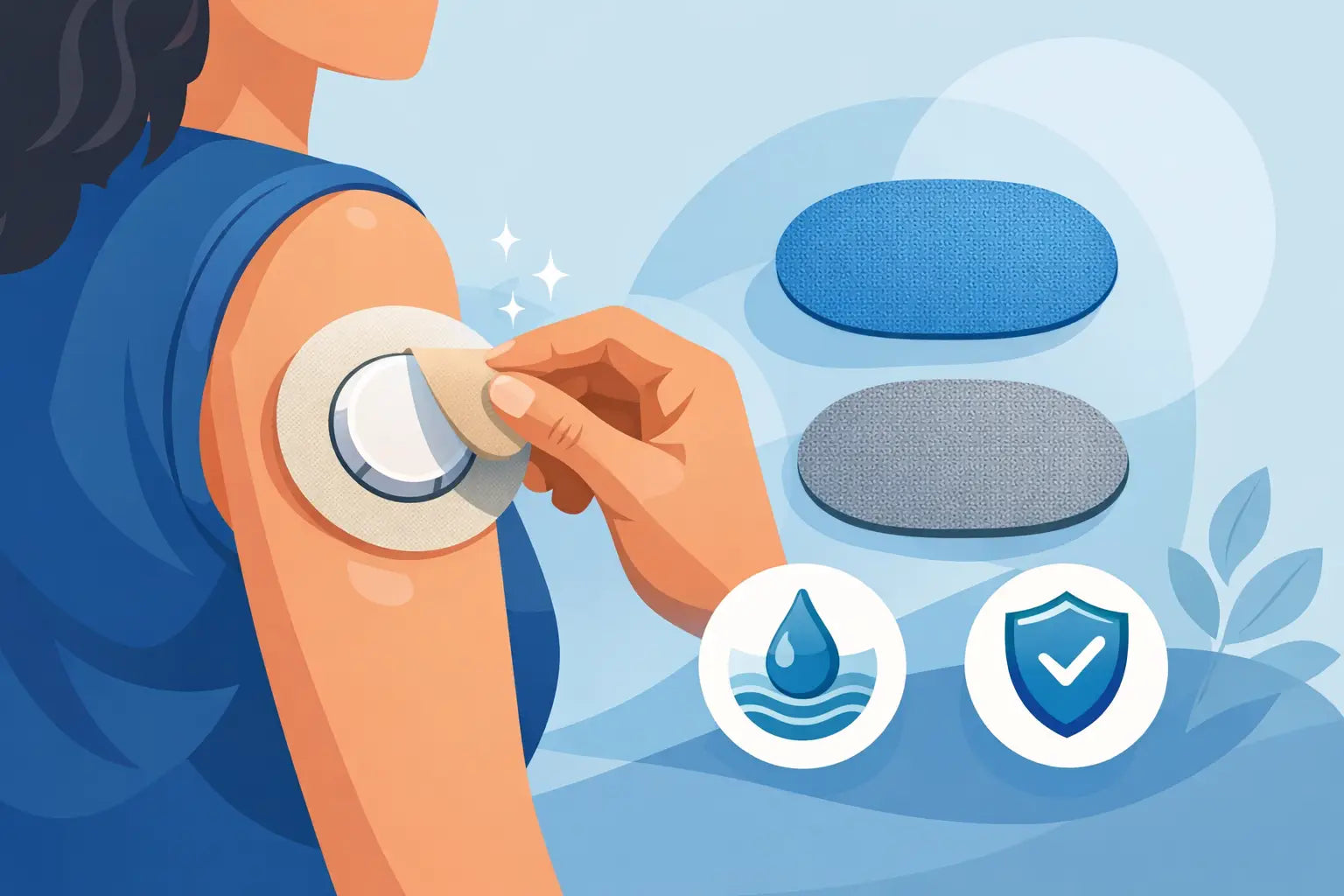
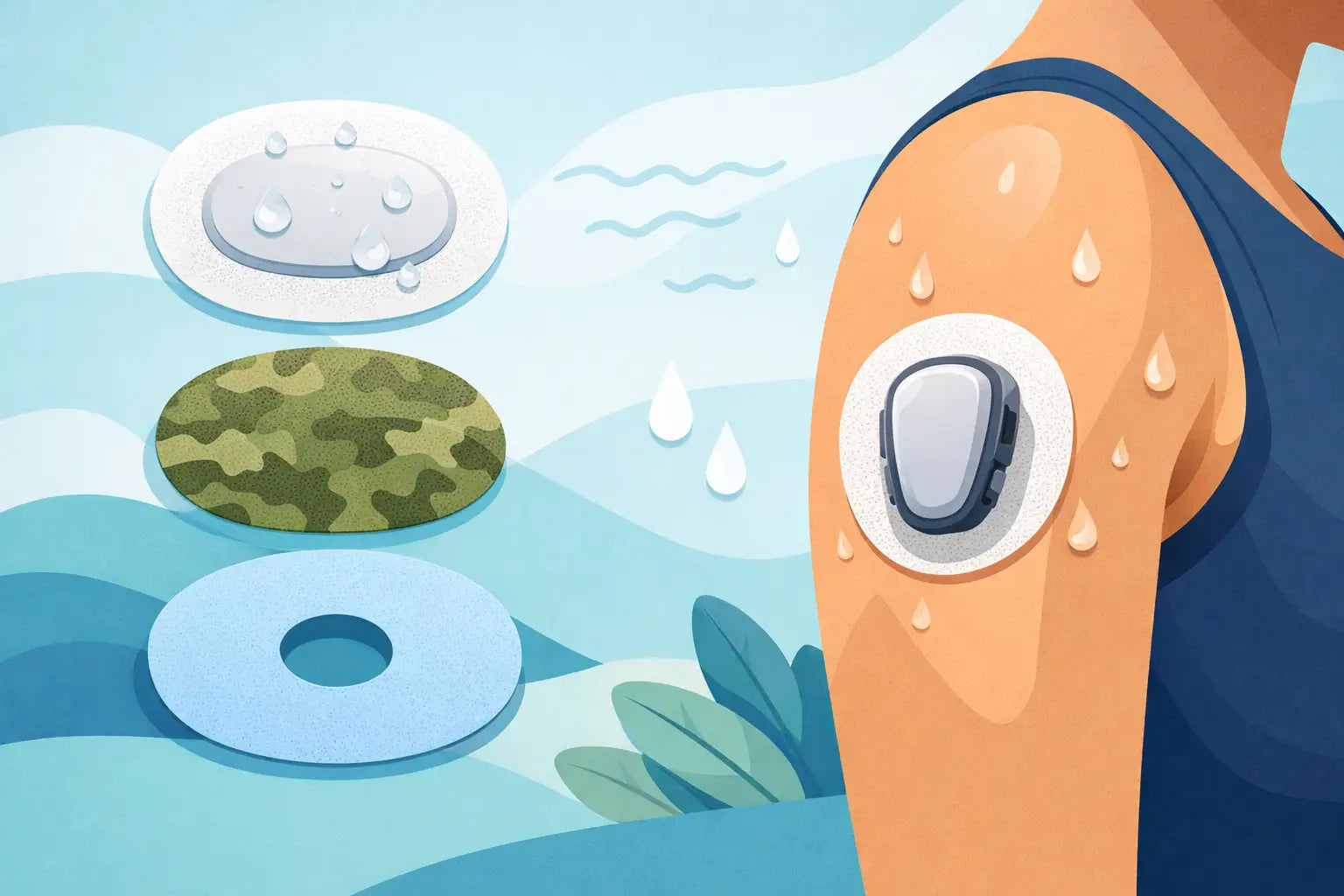
Comfort is not just about sensor shape. Adhesion, skin response, and placement also affect the experience. A lighter, smaller sensor can feel easier to forget, but even the best CGM can become frustrating if the adhesive starts lifting early or your skin gets irritated. This is where daily-life support products matter. Many users add an overpatch for workouts, heat, swimming, or long wear cycles because sensor performance depends partly on staying secure.
Alerts and real-time experience
This is one of the biggest practical differences in the dexcom g7 vs libre 3 conversation.
Dexcom G7 is generally the stronger fit for users who want more proactive alerts. Its alert system is a core part of the experience. You can receive urgent low alerts, rise and fall information, and customizable thresholds that help you act before glucose moves too far in the wrong direction. For people on insulin, those warnings can feel less like a convenience and more like a safety feature.
Libre 3 also delivers real-time glucose data and optional alarms, but many users find the overall alert experience less central to the product identity. It is effective, but typically feels more streamlined and less intervention-heavy than Dexcom. Some people prefer that. If constant notifications create stress or alarm fatigue, a simpler system may be easier to live with.
So the trade-off is straightforward. Dexcom G7 often offers more active protection. Libre 3 may feel quieter and easier to tune out when you do not need frequent prompts.
App design and data usability
A CGM is only as useful as the information you can understand quickly.
Dexcom G7’s app experience is built around fast interpretation and action. It tends to serve users who want detailed trends, stronger alert logic, and a platform that feels more clinically structured. If you review data often, share reports with a provider, or rely on pattern recognition to adjust meals, insulin, or exercise, Dexcom’s approach may feel more complete.
Libre 3’s app is often seen as cleaner and simpler. That can be a major advantage for newer CGM users or for people who want glucose visibility without feeling buried in settings. The data is still valuable, but the overall experience can feel less demanding.
Neither approach is inherently better. It depends on whether you want a CGM that acts more like an active management tool or more like a lightweight visibility tool.
Accuracy and trust in the numbers
Both systems are considered strong performers, and both are widely used in real diabetes care. Still, user perception of accuracy often depends on context rather than published specs alone.
For example, some people care most about low-glucose reliability overnight. Others care about post-meal spikes, exercise lag, or how closely readings match symptoms. Even a very accurate CGM can feel frustrating if its delay during rapid glucose changes does not line up with what you feel in the moment.
Dexcom has long been positioned as a high-trust system for users who depend on alerts and immediate decision support. Libre 3 has also earned a strong reputation, especially among users who want continuous data with minimal burden. In real life, both can work very well, but neither is perfect in every scenario. Compression lows, placement issues, hydration status, and sensor adhesion can all affect what you see.
That is why the better question is not only which is more accurate. It is which one gives you data in a format you are more likely to trust and act on consistently.
Wear time, startup, and routine fit
Sensor wear cycle affects cost, convenience, and planning.
Libre 3 offers a 14-day wear period, which many users appreciate because fewer changeouts mean less interruption. If you prefer a lower-maintenance schedule, that longer wear time can make the system feel simpler and more efficient.
Dexcom G7 has a shorter wear period, but it includes practical features around startup and transition that some users value. Depending on your routine, a shorter cycle may not be a major drawback. For others, especially those who dislike swap days or have sensitive skin, replacing sensors more often can feel like added friction.
This is also where adhesion becomes more than a comfort issue. The longer you expect a sensor to stay in place, the more important skin prep, moisture resistance, and patch support become. Routine CGM users already know this. A sensor that starts peeling on day five creates a very different experience than one that stays secure through day ten or day fourteen.
Insurance, cost, and access
For many people, the final decision is not made by features. It is made by coverage.
Insurance formularies, pharmacy access, and cash pricing vary widely. One CGM may be clearly better for your lifestyle, but if the out-of-pocket cost is significantly higher, the decision changes. That is not a minor consideration. A CGM only helps if it is affordable enough to use consistently.
Libre systems have often been perceived as more accessible on cost, though that depends on your plan and where you fill prescriptions. Dexcom may be favored in some clinical settings, especially when tighter alerting and connected management features are priorities. Before getting attached to either one, check the practical side first: formulary status, refill process, app compatibility, and replacement support.
Who should choose Dexcom G7?
Dexcom G7 tends to fit users who want a more active system. If you value customizable alerts, rely on real-time warnings, or prefer a data experience that supports tighter glucose management, it often makes sense. It may also feel like the better fit if your provider is already used to reviewing Dexcom reports and building care decisions around that platform.
It is especially compelling for users who do not want to miss lows, who want more notification control, or who prefer a CGM that feels highly engaged in the process.
Who should choose Libre 3?
Libre 3 tends to fit users who prioritize size, simplicity, and a lighter-touch experience. If comfort and discretion matter most, the very small sensor is a meaningful advantage. It can also be a smart fit for people who want continuous glucose visibility without feeling like the device is constantly demanding attention.
For users focused on practical daily wear, fewer sensor changes, and a straightforward app experience, Libre 3 is often the easier device to live with.
The right choice is the one you will actually wear
The best answer to dexcom g7 vs libre 3 is usually not about which product has the strongest feature list. It is about which one fits your body, your insurance, your tolerance for alerts, and your daily rhythm. A CGM should reduce uncertainty, not create more of it.
If you choose the system you are most likely to wear consistently, keep secure, and trust when it matters, you are probably choosing well. And once that routine is in place, the small things like sensor comfort, skin protection, and dependable adhesion start to matter just as much as the tech itself.

Leave a comment
This site is protected by hCaptcha and the hCaptcha Privacy Policy and Terms of Service apply.