
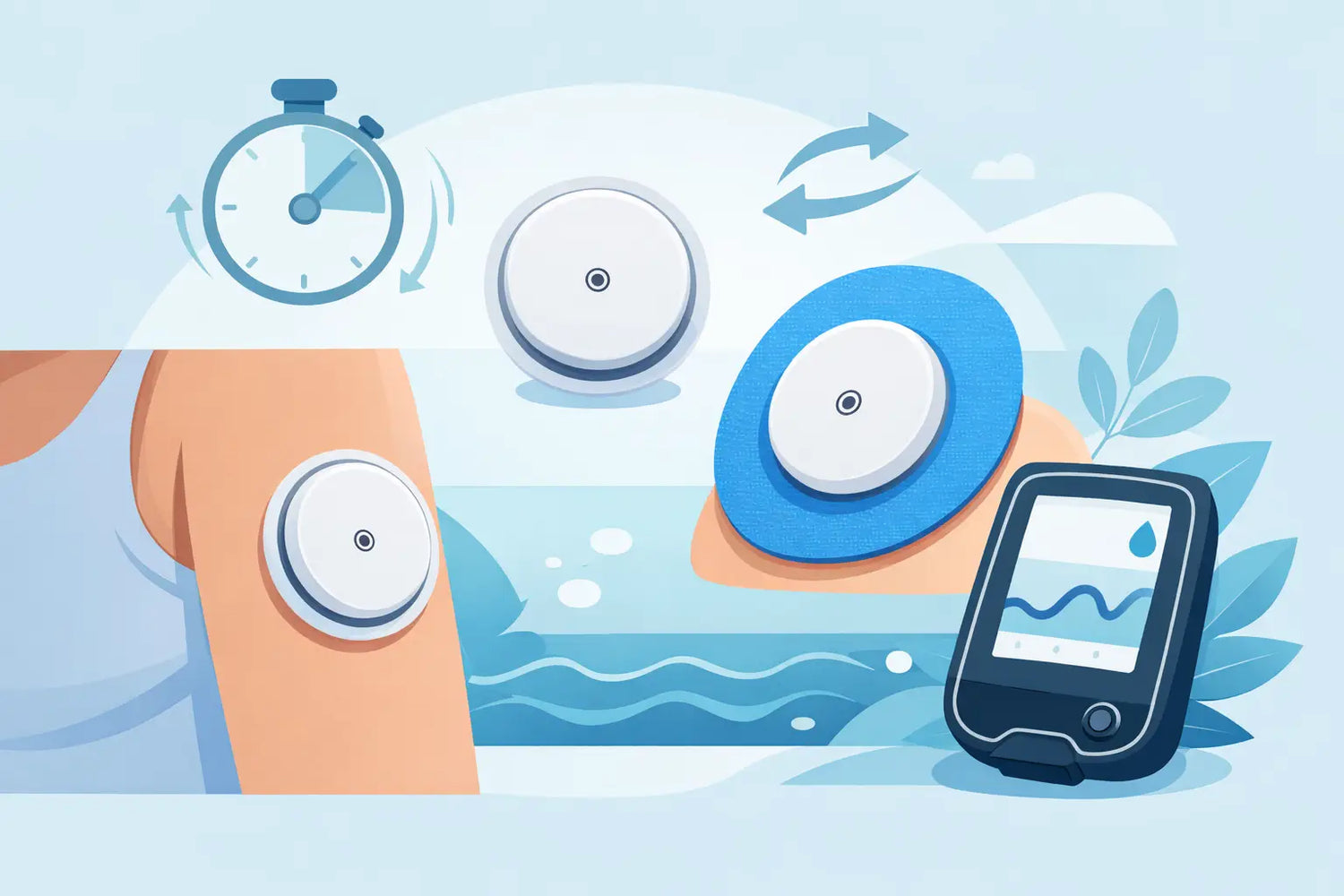
A Libre sensor is designed to support everyday life, but everyday life includes showers, workouts, changing clothes, heat, sweat, and the occasional doorframe. So, do overpatches help Libre stay on? In many cases, yes. A well-designed overpatch adds a second layer of support around the sensor's adhesive base, helping reduce the chance that an edge lifts before your wear period is complete.
An overpatch is not a repair for a sensor that has already come loose or stopped working. It is a practical way to protect a properly applied sensor from the friction and moisture that can gradually weaken its original adhesive. For many Libre users, that extra security means fewer interruptions, less anxiety around activity, and a more predictable sensor routine.
How Overpatches Help Libre Stay On
The adhesive supplied with your Libre sensor is intended to hold the device in place for its approved wear period. Still, skin is not a perfectly stable surface. Sweat, body oils, lotion, humidity, water exposure, and movement around the upper arm can all challenge adhesion. Even a shirt sleeve repeatedly brushing the sensor can start lifting an outer edge.
An overpatch works by extending adhesion beyond the sensor's original adhesive area. Rather than relying on one small adhesive footprint, the patch distributes the holding force across more skin. This can make the sensor less likely to snag, shift, or peel at the edges during normal movement.
Quality matters. A CGM overpatch should be shaped for the device, flexible enough to move with your skin, and made with a skin-conscious adhesive that does not feel overly rigid under clothing. A waterproof patch can also help maintain adhesion through showers, swimming, and sweaty workouts. It does not make every wear situation risk-free, but it creates a more secure barrier against the conditions that commonly cause lifting.
What an Overpatch Cannot Do
An overpatch helps hold the sensor housing in place. It cannot restore a sensor that has been pulled partly out of the skin, correct inaccurate readings, or resolve a sensor error. If the sensor filament may have moved or the device is no longer functioning as expected, follow the Libre instructions and contact the manufacturer when appropriate.
It also cannot overcome poor skin preparation. Applying a patch over damp skin, sunscreen, body lotion, or residual soap can trap the problem underneath the patch. The result may be a patch that looks secure at first but loosens much sooner than expected.
Skin sensitivity is another factor. Some people tolerate adhesive products without issue, while others develop itching, redness, or irritation. If you have a history of adhesive reactions, consider a small test patch on a separate area of skin before committing to a full sensor cycle. Remove the patch if you experience significant discomfort, rash, swelling, or broken skin, and seek clinical guidance if needed.
Choosing a Libre Overpatch That Fits Real Life
The best overpatch is not always the strongest-looking option. A thick, inflexible patch may feel secure initially but can pull at the skin when your arm moves. A patch designed for the specific Libre model is generally the better choice because its opening and shape are made to support the sensor without interfering with the device.
Look for a patch with a breathable, water-resistant or waterproof construction and an adhesive intended for multi-day wear. The material should conform to the curve of the upper arm without bunching at the edges. It should also leave the sensor accessible according to its intended design. Do not cover or obstruct any area that the manufacturer instructs you to keep clear.
Your routine matters, too. If you swim frequently, train outdoors, work in heat, or wear fitted sleeves, an overpatch is especially useful. If your sensors routinely stay on without trouble, you may only need one during travel, sports, or high-sweat weeks. The goal is practical support, not adding another step without a reason.
OHMRX CGM patches are designed for this real-world use case: dependable device support, water-ready performance, and a comfortable fit for the daily activities that put sensor adhesion to the test.
Apply Your Libre Overpatch for Better Hold
Timing and technique make a meaningful difference. Apply the Libre sensor according to the manufacturer's directions first. Once it is seated and the initial adhesive is secure, add the overpatch carefully around it.
Start with clean, fully dry skin. Avoid applying the sensor or patch immediately after a hot shower, because warm or damp skin can make adhesion less reliable. If you use an alcohol-based skin prep, allow it to dry completely before sensor application. Some people prefer alcohol-free skin prep products when standard alcohol wipes feel drying or irritating, but any prep product should be fully dry before adhesive is applied.
When placing the overpatch, avoid stretching it tightly across your arm. Stretching can create tension that causes the edges to lift later, especially when you bend or raise your arm. Instead, center the patch around the sensor, press it down from the middle outward, and smooth the edges with firm but gentle pressure.
Give the adhesive time to set. If possible, avoid heavy sweating, swimming, long baths, or vigorous upper-body activity for several hours after application. This is not always practical, but it can help the adhesive bond more consistently. Applying a new sensor and overpatch in the evening is useful for some people because the skin has time to settle before the next active day.
A few application details that prevent early lifting
Do not apply an overpatch over lotion, sunscreen, body oil, or a sticky residue from an older patch. Trim excessive arm hair only if it interferes with adhesion or makes removal difficult. And do not keep repositioning the patch once its adhesive has touched your skin. Repeated lifting weakens the adhesive before the wear cycle has even started.
If one small edge begins to lift after several days but the sensor itself is secure, avoid repeatedly pressing a contaminated edge back down. Depending on the patch design and your skin, it may be better to reinforce with a fresh compatible patch or remove the lifting layer carefully rather than trying to make a failing edge last.
Make Overpatches Part of Your Sensor-Day Routine
Libre wear is a repeating routine, not a one-time purchase. Keeping a fresh patch with your next sensor, skin prep, and removal supplies reduces last-minute compromises. Many CGM users reorder accessories on the same 10- to 14-day rhythm as their sensor changes, so there is always a reliable patch ready when a new session begins.
Store patches in a cool, dry place and avoid leaving them in a hot car or humid bathroom. Heat and moisture can affect adhesive performance before the patch reaches your skin. It is also smart to carry a spare patch when traveling, spending time at the beach or pool, or starting a demanding workout block.
When a Loose Libre Sensor Needs More Than a Patch
An overpatch is most effective as preventive support or early reinforcement around an intact sensor. If the Libre sensor is visibly detached, has shifted substantially, is painful, or is not providing reliable readings, an overpatch should not be used to force it through the rest of the wear period.
Pay attention to the device, not just the adhesive. Unexpected glucose readings should be confirmed according to your healthcare team's guidance and the Libre instructions, particularly if symptoms do not match the reading. Adhesion accessories can help keep a sensor in place, but they do not replace safe CGM use or clinical decision-making.
Can you put an overpatch on immediately after applying Libre?
Usually, yes, provided the sensor is correctly applied and the skin is clean and dry. Applying the overpatch soon after sensor insertion offers protection before sweat, water, or clothing friction begin working on the original adhesive.
Can you shower or swim with a Libre overpatch?
A waterproof overpatch can add confidence during showers and swimming by helping protect the adhesive edges. Follow the Libre manufacturer's water-exposure instructions for your specific model, and remember that extended soaking, friction from towels, and very hot water can still affect adhesion.
Will an overpatch hurt when removed?
Removal depends on your skin and the adhesive. Peel slowly while holding the surrounding skin taut. Removing after a warm shower or using an adhesive remover made for skin may make the process more comfortable. Never pull the patch off quickly or forcefully.
A secure sensor should not require you to sit out a workout, skip the pool, or spend two weeks protecting your upper arm from normal life. The right Libre overpatch is a small, disciplined addition to your routine that helps your device stay where it belongs while you focus on everything else.

Leave a comment
This site is protected by hCaptcha and the hCaptcha Privacy Policy and Terms of Service apply.