
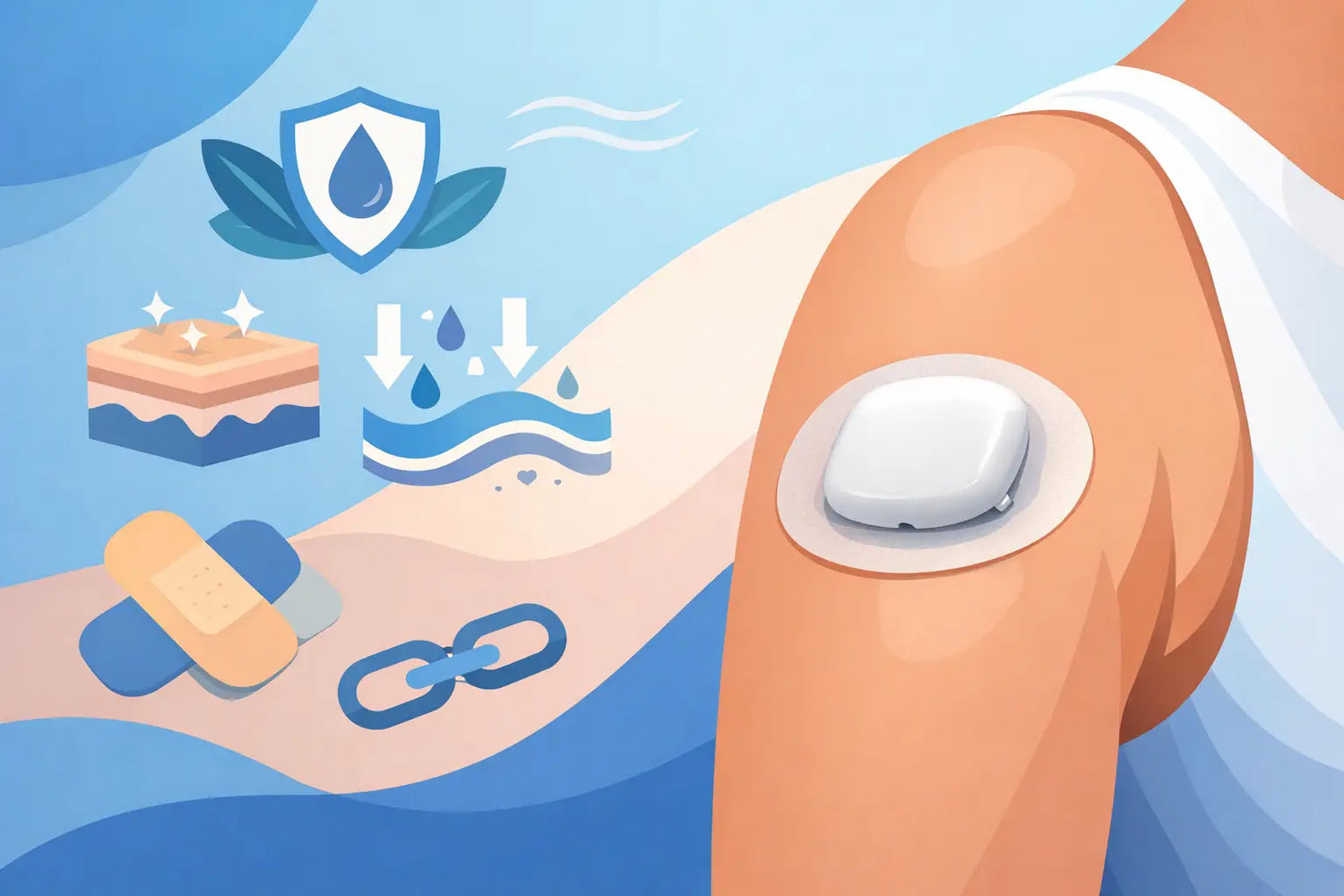
A pod that stays on should not leave your skin feeling like it lost a fight. For people who use Omnipod adhesive for sensitive skin, the goal is not simply stronger hold. It is dependable wear through showers, sleep, work, and movement without unnecessary itching, pulling, redness, or painful removal.
That balance takes more than choosing the strongest tape available. Skin reactions can come from moisture, friction, repeated stripping, adhesive ingredients, or the way the site is prepared. A better routine identifies the likely trigger, then uses a measured combination of skin prep, patch selection, placement, and removal technique.
Why Omnipod Sites Can Become Irritated
The adhesive holding an Omnipod in place is designed to perform during normal daily activity. But skin is not static. It sweats, produces oil, flexes over muscle, and becomes more vulnerable when an area is covered for several days. If you have eczema, allergy-prone skin, or a history of reactions to medical tapes, that added contact time can matter.
Not all redness means the same thing. Mild pinkness immediately after removal may be caused by adhesive stripping, especially if the patch was pulled away quickly. Itching, a rash that follows the adhesive outline, blisters, swelling, or redness that lasts may point to a contact reaction and deserves more caution. A pod site that becomes warm, increasingly painful, drains fluid, or develops spreading redness should be evaluated promptly by a healthcare professional.
There is also a practical trade-off. Adding more adhesive can protect the pod from early lifting, but it increases the amount of skin covered and the force required during removal. For sensitive skin, the best setup is usually the least aggressive solution that provides reliable wear.
Choosing Omnipod Adhesive for Sensitive Skin
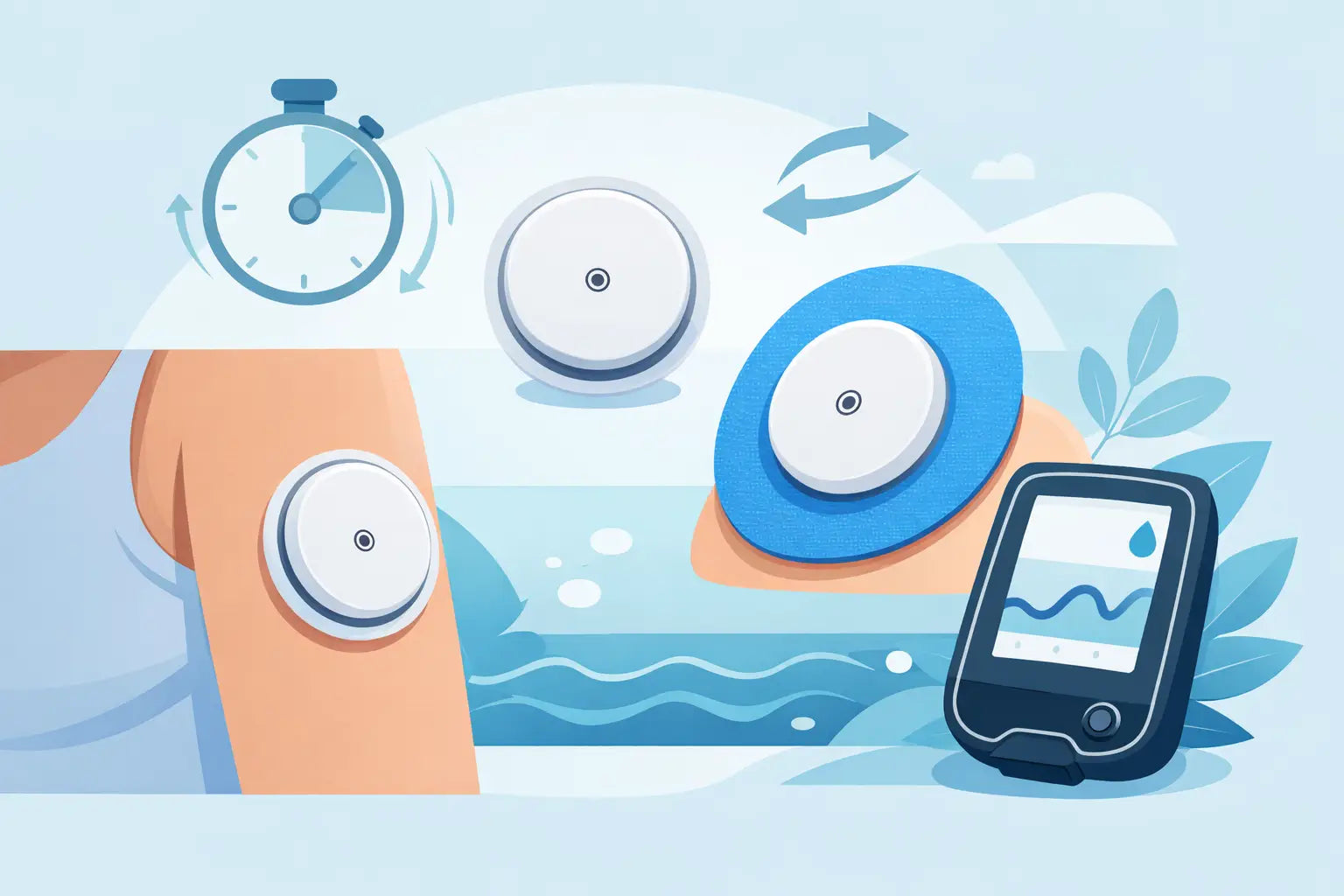
A patch should be sized and shaped for the pod, with enough surrounding material to stabilize the edges without creating excess overlap on healthy skin. A well-designed overpatch spreads stress across a wider area, which can reduce edge lifting and friction during movement. Waterproof performance also matters because sweat and shower exposure can weaken a patch, leading people to press, replace, or layer tape more often than necessary.
For sensitive skin, look beyond broad claims such as “hypoallergenic.” That term is useful but not a guarantee that every person will tolerate a material. Consider whether a patch is made for extended wear, whether it uses a flexible backing that moves with the body, and whether its adhesive is intended for medical-device use. Skin-safe, latex-free materials may be appropriate for many users, but individual sensitivities still vary.
A small wear test can be useful when trying a new patch or prep product. Apply a small piece to intact skin away from your usual pod site, then monitor for itching, burning, rash, or delayed redness. Testing does not replace medical advice, and it cannot predict every reaction, but it can help avoid committing to a full application during a pod cycle.
Do not assume stronger is better
High-tack tape may sound like the obvious answer if your pods lift during workouts or humid weather. Yet a very aggressive adhesive can be difficult to remove and may increase irritation for some people. A flexible waterproof patch with a skin-conscious adhesive is often the more practical starting point.
If your skin handles the patch well but the edges lift, focus first on application technique and site location. If the patch holds perfectly but leaves a persistent rash, the adhesive system may be too harsh for your skin. Those are different problems and require different fixes.
Start With Skin Prep, Not More Tape
Good adhesion begins with clean, dry, intact skin. Oils, lotion, sunscreen, body wash residue, and sweat can interfere with the pod adhesive and overpatch. At the same time, harsh cleaning can dry the skin and make it more reactive.
Wash the area with mild soap and water, then dry it completely. If you use a skin prep wipe, choose one that fits your skin tolerance and let it dry fully before applying your pod. Alcohol-free skin prep wipes can be a useful option for people who find alcohol-based products stinging or overly drying. Whatever preparation product you use, avoid applying it directly to broken, irritated, or actively rash-covered skin.
Timing matters. Do not apply a pod immediately after a hot shower, workout, or sauna session when skin is warm or damp. Give your body time to cool and dry. Applying on calm, dry skin improves the bond without requiring repeated pressure or extra layers of tape.
Apply with steady, even pressure
Once the Omnipod is in place, apply the overpatch without stretching it aggressively. Stretching may create tension that pulls at the edges as you move. Smooth it from the center outward, pressing down the perimeter so the patch lies flat against the skin.
A few seconds of firm, even pressure can help the adhesive conform. Then leave the area alone. Repeatedly checking, rubbing, or lifting a corner to inspect it can compromise the seal early in the wear cycle.
Placement Can Make or Break Wear Time
The right site is not only about approved pod placement and insulin delivery guidance. It is also about reducing friction. Areas that rub against waistbands, bra bands, seat belts, backpack straps, or repetitive arm movement are more likely to experience lifting and irritation.
Choose a site with relatively smooth, healthy skin and enough space around the pod for the patch to lie flat. Avoid scars, irritated areas, bruises, sunburn, and spots that have recently reacted to adhesive. Rotate sites consistently rather than returning to the same comfortable location cycle after cycle. Rotation gives skin time to recover and helps you notice patterns, such as a reaction occurring only on one body area or after a particular prep product.
Keep a simple note in your phone if reactions are recurring. Record the pod location, patch brand or material, skin prep used, activity level, weather, and what the skin looked like after removal. This is not overcomplication. It is a practical way to separate an adhesive issue from a placement, sweat, or removal issue.
Removal Is Part of Skin Protection
The end of the wear cycle is where many sensitive-skin routines fail. Pulling a patch straight up quickly can strip the outer layer of skin, even when the patch caused no problem during wear. The result may look like an allergy when it is actually mechanical irritation.
Remove the patch slowly and low, folding it back over itself rather than pulling it away at a steep angle. Use one hand to support the skin while the other gently works the patch loose. If removal is difficult, an adhesive remover formulated for skin may help, provided it is compatible with your skin and used according to its directions.
After removal, wash away residue gently and avoid immediately applying another adhesive product to the exact same spot. Moisturize the area once it is clean if your skin is dry, but keep lotion away from the next pod site. If redness is mild and short-lived, monitor it. If you experience repeated itching, hives, blistering, skin breakdown, or a worsening rash, pause the suspected product and speak with your diabetes care team or dermatologist.
A Routine That Supports Every Pod Cycle
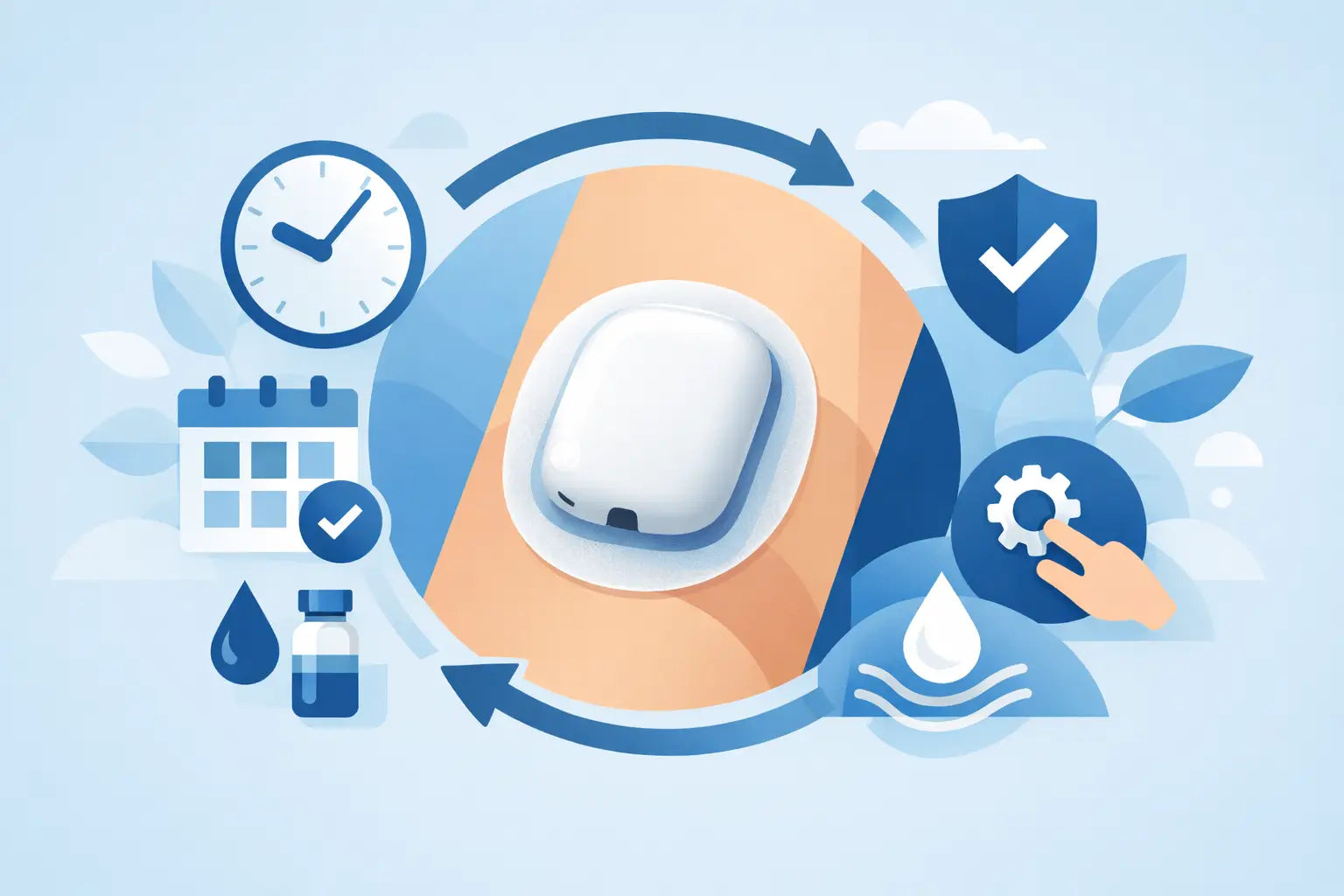
For most users, consistency works better than a constantly changing stack of tapes, barriers, and wipes. Begin with a compatible, waterproof overpatch designed to move with the body. Use clean, dry skin, select a low-friction site, and remove slowly at the end of the cycle. Change only one variable at a time when troubleshooting so you can tell what actually helped.
OHMRX approaches device patches as daily-use essentials, not one-time accessories. That matters because your skin has to tolerate the routine again and again. The right Omnipod adhesive approach should support dependable wear without asking your skin to absorb unnecessary stress.
Your best setup may take a few cycles to refine. Prioritize skin comfort alongside hold, keep rotation disciplined, and treat a recurring reaction as useful information rather than something to push through. A secure pod is valuable. Comfortable, healthy skin makes that security sustainable.

Leave a comment
This site is protected by hCaptcha and the hCaptcha Privacy Policy and Terms of Service apply.