
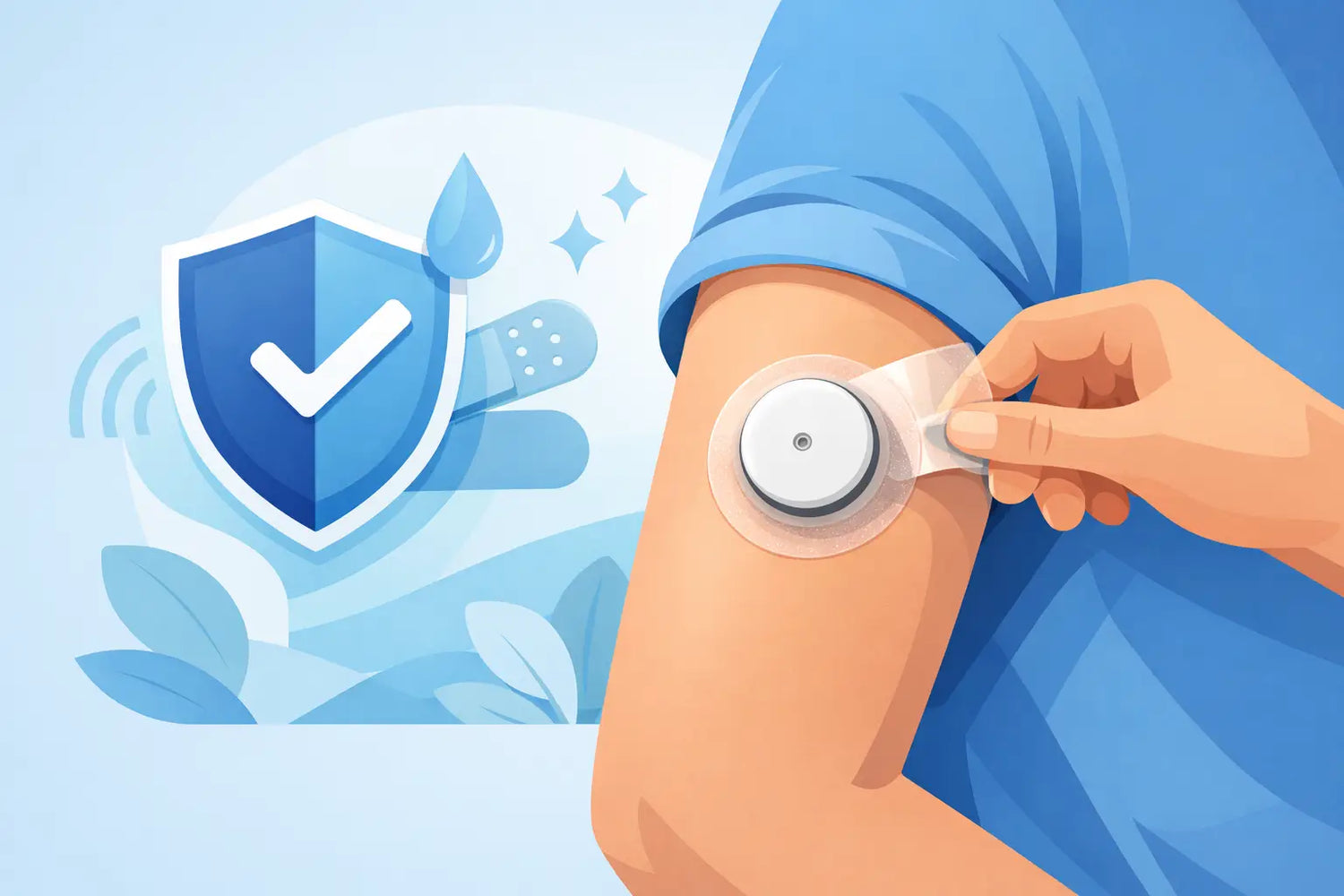
A Libre sensor usually comes loose at the worst time - after a shower, during a workout, or halfway through the wear period when you need it most. If you are looking for how to protect libre sensor wear in real life, the answer is not just “cover it and hope.” It comes down to placement, skin prep, moisture control, and using the right overlay protection for your routine.
The Libre is built for daily use, but daily life is messy. Sweat, friction from clothing, sleep position, quick towel drying, kids grabbing your arm, and humid weather can all shorten wear time. Protecting the sensor means reducing those stress points before they turn into edge lift or a full sensor failure.
How to protect Libre sensor from day one
The biggest mistake happens before the sensor is even applied. If the site is rushed, oily, damp, or irritated, adhesive performance drops fast. A stronger result usually starts with cleaner skin and a little more patience.
Wash the area with mild soap and water, then dry it fully. If you use lotion, body oil, sunscreen, or residue-heavy soap, choose a different spot or cleanse again. The adhesive needs direct contact with clean skin. Even a thin film can weaken the bond.
Placement matters too. The back of the upper arm is standard, but small adjustments help. Try to avoid the exact area where backpack straps, tight sleeves, bra straps, or repeated chair contact hit the sensor. If one arm constantly gets bumped, the other side may simply perform better.
Temperature also plays a role. Apply the sensor when your skin is cool and dry, not right after a hot shower or hard exercise. Warm, damp skin can trap moisture under the adhesive from the start. Giving the adhesive a stable surface improves the odds of full wear.
Skin prep makes a bigger difference than most people think
People often focus on the patch but skip the foundation underneath it. If your skin tends to run oily, if you sweat heavily, or if sensors start peeling around the edges after a few days, skin prep is usually where you gain the most wear time.
A skin barrier or alcohol-free prep wipe can help create a cleaner, more adhesive-friendly surface without over-drying sensitive skin. That is especially useful for repeat users who apply a new sensor every cycle and want consistency, not guesswork. Let the prep dry completely before applying anything. If it still feels tacky in a wet or slippery way, it is too soon.
If you have body hair at the application site, trimming can help. Shaving immediately before application is less predictable because freshly shaved skin may be more reactive. Sensitive skin and aggressive adhesion do not always pair well. For some people, trimming the area a day ahead works better than removing hair right before insertion.
There is a trade-off here. More adhesive support can improve wear time, but stronger products can also be harder on reactive skin. If you know you are prone to itching, redness, or adhesive sensitivity, choose skin-conscious materials and avoid stacking multiple harsh products unless you have tested them before.
The best way to protect a Libre sensor is usually an overpatch
If you want the most practical answer to how to protect libre sensor during normal wear, an overpatch is usually it. A good CGM patch adds a second layer of hold over the sensor adhesive and helps protect against friction, water exposure, and edge lift.
Not every patch performs the same way. A patch designed specifically for Libre wear tends to fit better, move with the arm more naturally, and leave the sensor area properly supported instead of overly compressed. That balance matters. You want secure hold, but you do not want a stiff cover that catches at the edges or feels bulky under clothing.
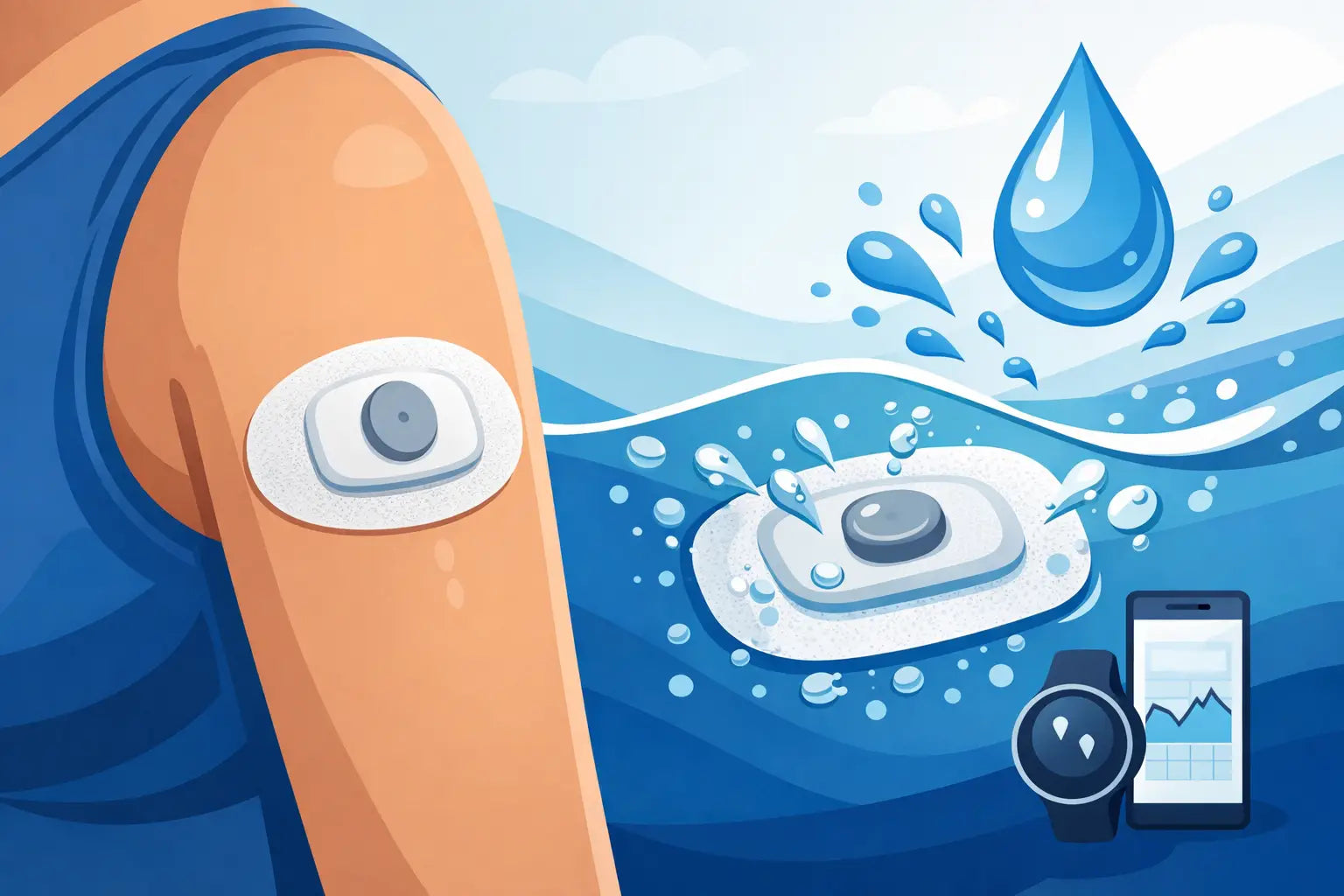
For swimmers, runners, gym users, or anyone who showers daily and sweats regularly, a waterproof patch can make the difference between a sensor lasting the full session and peeling early. The patch should stay in place when wet, dry down reliably, and remain comfortable through repeated movement. Skin-safe adhesive matters just as much as stick strength. A patch that holds well but causes irritation is not a real upgrade.
Apply the overpatch on clean, fully dry skin, and press from the center outward to reduce wrinkles or trapped air. Once it is on, avoid picking at small edges. Minor lift can spread quickly if the patch gets repeatedly tugged.
Water, sweat, and friction are the main threats
Most Libre users do not lose sensors because of one major accident. It is usually repeated small exposure. A hot shower softens the adhesive. A towel catches the edge. A workout adds sweat. A shirt sleeve rubs the same spot all afternoon. Those small events add up.
After bathing, pat around the sensor instead of rubbing it. If the patch or sensor gets soaked, give it time to air dry before covering it with tight clothing. Friction on softened adhesive is one of the fastest ways to start peeling.
During exercise, compression shirts, arm sleeves, and repetitive motion can either help or hurt depending on fit. If fabric glides smoothly over the patch, that is usually fine. If it drags at the edge, expect wear problems sooner. The right patch should reduce that drag, not create more of it.
Sleep is another overlooked issue. Side sleepers and stomach sleepers may put more pressure on one arm night after night. If you notice one side consistently underperforms, that pattern is worth respecting. Better sensor protection sometimes comes down to choosing the arm that gets less contact, not changing products.
What to do if the edges start lifting
Early edge lift does not always mean the sensor is lost. If the sensor itself is still seated well and reading normally, adding reinforcement quickly can often extend wear.
The key is timing. Do not wait until half the adhesive is loose. If you see corners peeling after a shower or workout, dry the area thoroughly and add an appropriate overlay patch before the lift spreads. Trying to rescue a heavily detached sensor is much less reliable.
Be careful with household tape or improvised fixes. They may seem convenient, but they often trap moisture, irritate skin, or fail in heat and sweat. Products designed for CGM wear generally perform better because they account for movement, moisture, and longer wear cycles.
If a sensor repeatedly loosens at the same point in the cycle, look for the pattern. It may be your prep routine, not the sensor. Or it may be your environment - summer humidity, pool time, long runs, or work conditions that involve constant arm movement. The best protection plan is the one that matches your actual routine.
How to protect Libre sensor on sensitive skin
Sensitive skin changes the equation. Stronger is not always better. If you deal with redness, itching, or adhesive marks after removal, your goal is to protect the sensor without escalating skin stress every two weeks.
Start with fewer variables. Use gentle cleansing, a skin-friendly prep product if needed, and a patch made with materials intended for extended wear. Watch for breathability as well as hold. Trapped moisture can irritate skin even when the patch itself seems soft.
Removal matters too. Peel slowly, ideally after warm water exposure or with an adhesive remover if your clinician recommends it. Ripping a patch off quickly can damage the skin barrier, which makes the next application harder. Good wear starts with healthy skin at the previous removal site.
This is one area where engineered accessories earn their place. Products built around skin safety, repeat wear, and real-world movement tend to support better outcomes than one-size-fits-all solutions. That is the practical standard brands like OHMRX are designed around.
Build a repeatable routine, not a one-time fix
The most reliable Libre protection is usually boring, and that is a good thing. Clean skin. Dry skin. Thoughtful placement. A dependable overpatch. Quick attention to any lifting. When those steps are consistent, sensor wear becomes far less stressful.
If your routine changes, your protection strategy may need to change too. Beach travel, winter layers, marathon training, and high-humidity months all put different demands on adhesion. There is no single setup that works perfectly for every person, every season, and every sensor cycle.
The goal is not perfection. It is dependable wear with fewer surprises, less wasted time, and more confidence that your sensor will stay where it belongs while you get on with your day. That is usually what people are really asking when they ask how to protect a Libre sensor.


Leave a comment
This site is protected by hCaptcha and the hCaptcha Privacy Policy and Terms of Service apply.