
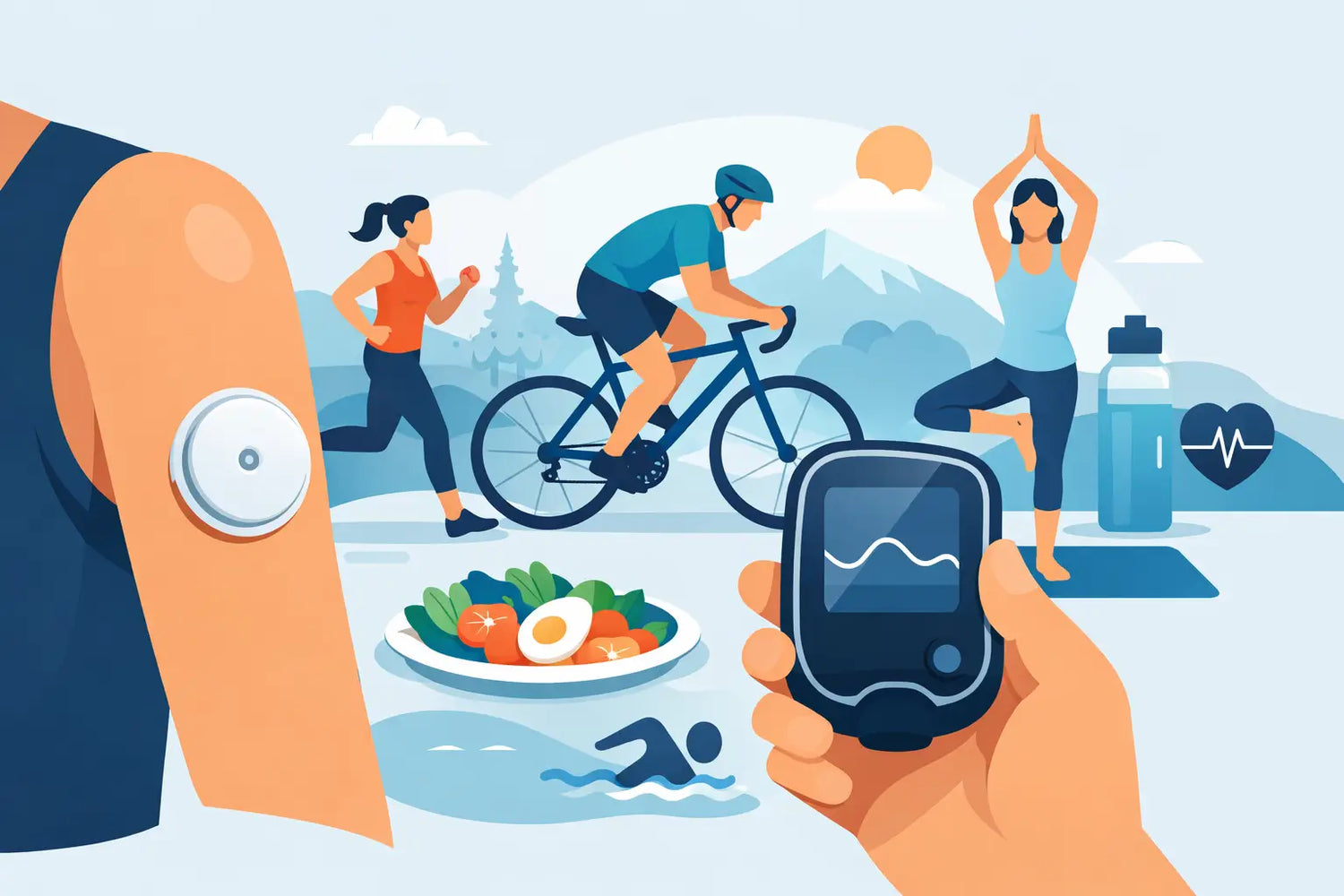
A sensor that lifts at the edges halfway through a workout is more than annoying. It can interrupt wear time, create doubt about your routine, and turn a simple training session, swim, or hot day into a device problem. That is why choosing the right libre patch for active lifestyle use is less about looks and more about performance under real conditions.
For Libre users who run, lift, cycle, coach, travel, or simply sweat through busy days, an overpatch has one job: keep the sensor protected and in place without making your skin pay for it later. The best option is not always the strongest adhesive on paper. It is the one that balances hold, comfort, flexibility, and skin tolerance across the full wear cycle.
What a libre patch for active lifestyle use actually needs to do
An active routine puts constant stress on a CGM site. Sweat softens some adhesives. Repetitive arm motion creates friction at the patch edge. Water exposure from showers, pools, and humid weather can test adhesion long before the sensor is due to come off. If a patch cannot handle those variables together, it is not built for everyday wear.
That is why a libre patch for active lifestyle use should be evaluated like functional equipment. It needs to move with the body, resist edge lift, and stay stable when the skin gets warm or damp. At the same time, it should not feel stiff, bulky, or irritating after several days.
Skin safety matters just as much as hold. A patch that stays on but leaves behind redness, stripping, or itching creates a different problem. For many users, especially repeat buyers replacing sensors every 10 to 14 days, comfort across repeated application cycles is part of long-term wearability. Strong adhesion without skin consideration is not a complete solution.
Why active users lose patches early
Patch failure usually is not caused by one dramatic event. More often, it is cumulative. A little sweat after a workout, a towel rubbing the area, a shirt sleeve catching the edge, and one rushed shower can start the lifting process.
Placement also matters. The back of the upper arm is practical for sensor use, but it is not a low-friction area. It flexes often, brushes against clothing, and can catch on straps or towels. Add summer heat, sunscreen, or lotion residue, and adhesion can become less predictable.
There is also a preparation issue. Even a high-quality patch can underperform if applied over damp skin, body oil, or leftover soap film. Many people assume the patch is the weak point when the real issue started before application.
Materials, stretch, and adhesive quality
Not all overpatches are engineered the same way. The material itself changes how the patch behaves over several days. If it is too rigid, it may peel at the edges as the arm bends and rotates. If it is too thin or poorly structured, it may wrinkle, bunch, or break down with moisture.
A better patch uses a flexible substrate that conforms to the skin instead of fighting it. That matters during exercise, but also during sleep, commuting, work, and any normal movement repeated hundreds of times a day. Good flexibility reduces stress concentration at the edge, which is where failures often begin.
Adhesive quality is equally important. You want consistent stick, not aggressive tack that feels harsh from the start. Well-designed adhesion should secure the patch evenly across the surface and maintain hold through sweat and water exposure without becoming brittle or gummy over time.
This is where clinically informed product design matters. Products built for real wear cycles tend to account for moisture, friction, and repeated movement instead of relying on marketing claims alone. For active Libre users, those details are what separate a patch that lasts from one that looks promising on day one and peels by day four.
Waterproof should mean daily-life waterproof
Waterproof is one of the most overused claims in this category. For most people, it does not need to mean indestructible under every condition. It needs to mean dependable through showers, exercise, humidity, and normal incidental water exposure.
Swimming adds a more demanding test, especially if it is frequent or prolonged. Chlorine, repeated immersion, and drying off with a towel can all work against patch adhesion. Some users will need extra care around pool days, while others may find that a high-quality patch holds without much adjustment. It depends on skin type, application quality, and how often the patch is exposed to water.
That is why expectations should be practical. Waterproof performance is real, but it is never completely separate from how the patch was applied, how the skin was prepped, and how much friction the site experiences afterward.
Application makes a measurable difference
Even the best libre patch for active lifestyle wear can fail early if the application process is rushed. Clean, dry skin is the baseline. Any lotion, oil, or residue can reduce initial bond strength. Applying after a shower may feel convenient, but if the skin is still warm or slightly damp, the adhesive may not set correctly.
For users with oily skin, heavy sweating, or a history of edge lift, skin prep can help create a better surface. Alcohol-free prep products are often preferred by people who want better adhesion support without extra skin dryness. That trade-off matters when you are repeating this process all year.
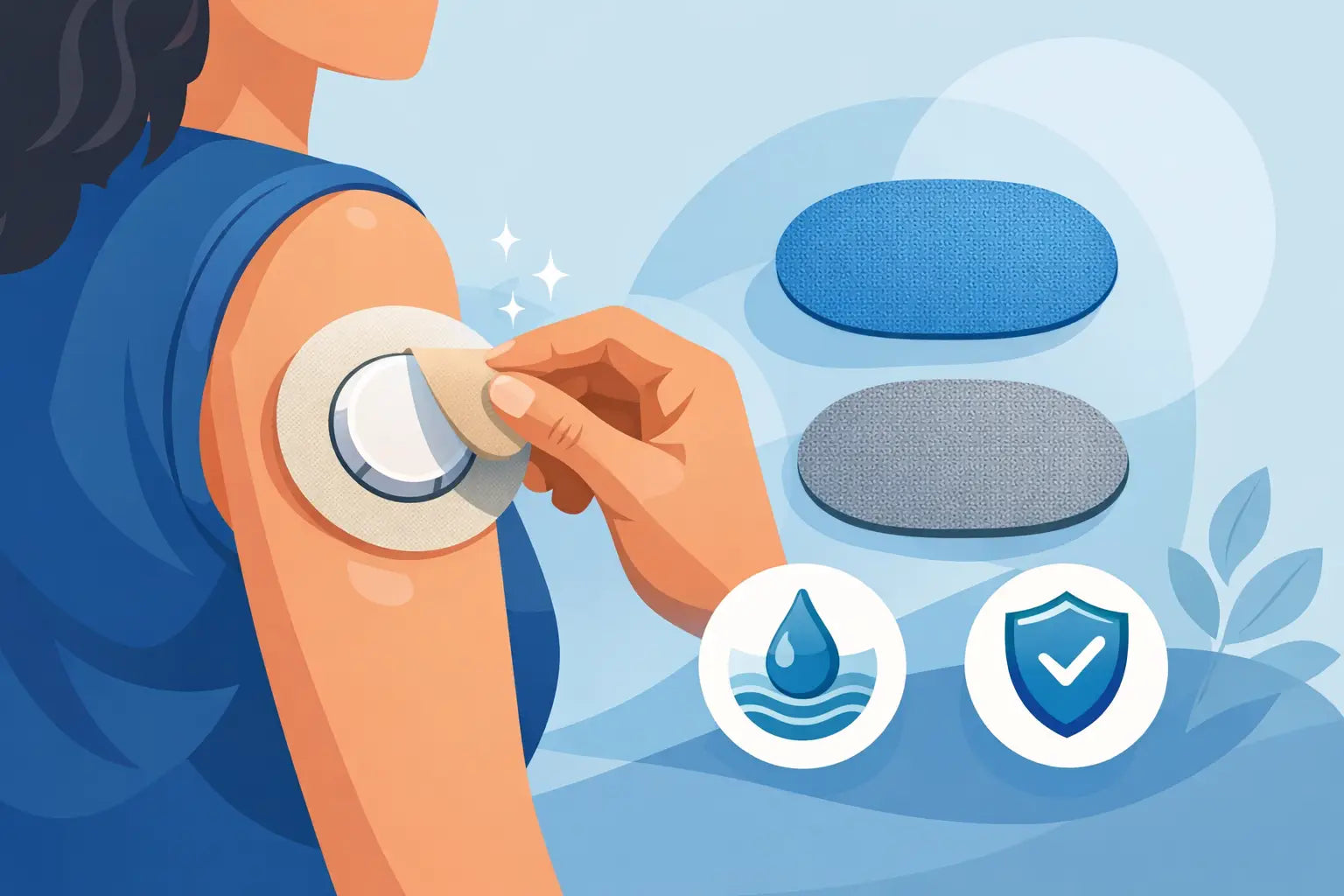
Pressure matters too. Smoothing the patch carefully and pressing the adhesive into place helps create a more stable seal. The first several hours after application are also worth protecting. If possible, avoid intense sweating, swimming, or direct friction right away so the adhesive can fully settle.
Comfort is part of performance
A patch should not force a choice between staying on and feeling wearable. For active users, comfort is performance. If the patch pulls on the skin during exercise, traps heat excessively, or causes itching at the border, you become more aware of it with every movement.
Low-profile design helps. A patch that sits flat tends to catch less on clothing and athletic gear. Breathability can also improve day-to-day comfort, though breathability alone is not enough if it compromises hold. The balance matters.
There is no universal best patch for every body. Some users need maximum adhesion for endurance training, humid climates, or high-output workdays. Others need a gentler adhesive because their skin reacts easily. A good product line recognizes that wear conditions vary and that skin behavior varies too.
What repeat users should look for
Because Libre wear is cyclical, patch selection is rarely a one-time decision. Most users are learning what works across repeated sensor sessions. That means the right patch is not just the one that survives a weekend hike. It is the one you trust to reorder because it performs consistently across ordinary weeks too.
Look for a patch that is clearly designed for Libre compatibility, fits the sensor area cleanly, and is built for secure wear without adding unnecessary bulk. Skin-conscious materials matter more over time than they might on a single application. So does consistency in adhesive quality from one order to the next.
This is where a disciplined brand approach helps. OHMRX focuses on device-compatible, skin-conscious patches built around practical wear demands rather than trend packaging or vague wellness language. For repeat-use categories like CGM overpatches, that kind of reliability is the product.
When a stronger patch is not the better patch
It is easy to assume more adhesive is always better. In practice, overly aggressive adhesion can backfire. It may feel secure, but removal can become uncomfortable, especially for users with sensitive skin or those rotating sites frequently.
A better standard is controlled adhesion - strong enough to last, measured enough to remove responsibly. That balance supports routine use and helps reduce skin stress over multiple sensor cycles. If your current patch leaves the area irritated after every change, that is not a minor inconvenience. It is a signal that the system is not sustainable.
For active users, sustainability matters. You need a patch that can keep up with movement today and still be a good choice two months from now.
Choosing with your routine in mind
The right patch depends on how you live. A desk job with light daily exercise places different demands on adhesion than coaching outdoors, training for races, or spending long hours in heat. If you shower twice a day, wear compression gear, or spend time in the pool, your patch needs are more demanding.
That does not mean you need the most extreme option available. It means you should choose based on your actual wear conditions. Think about sweat level, water exposure, skin sensitivity, and how often the sensor area gets bumped or rubbed. Those variables usually predict performance better than broad claims on packaging.
A well-made libre patch for active lifestyle use should make your sensor feel less vulnerable, not more complicated. It should support the routine you already have, whether that means gym sessions before work, long travel days, or simply wanting your CGM to stay put without constant checking. The best patch is the one that earns your trust quietly, then lets you get on with the rest of your day.


Leave a comment
This site is protected by hCaptcha and the hCaptcha Privacy Policy and Terms of Service apply.