
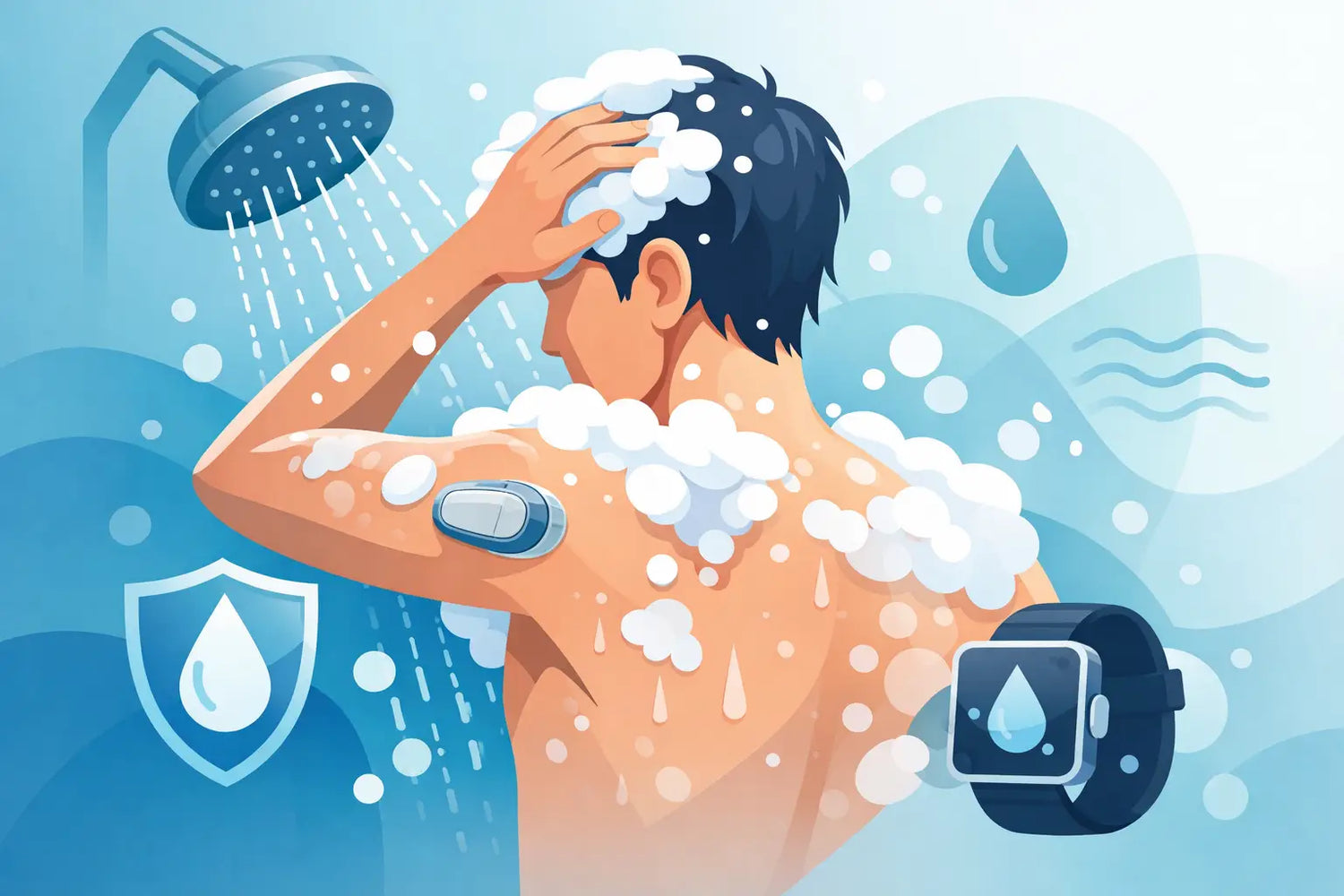
A lot of people ask the same question right after applying a new sensor or right before stepping into the bathroom: can you shower with Dexcom? In most cases, yes. Dexcom sensors are designed to handle normal daily water exposure, including showers. The part that usually needs more attention is not the sensor electronics themselves, but the adhesive keeping everything attached to your skin.
That distinction matters. If your sensor stays firmly in place, a shower is usually no problem. If the edges start lifting, if your skin runs oily, or if you shower with very hot water for long periods, water can become less of an electronics issue and more of a wear-time issue.
Can you shower with Dexcom without damaging it?
For most users, yes. Dexcom systems are built for real-life use, and that includes routine bathing. A normal shower should not damage a properly applied sensor. The bigger variable is how well the adhesive holds up over repeated exposure to water, steam, soap, sweat, and friction from towels or clothing.
This is where expectations should stay practical. Water-resistant does not mean indestructible. It means the device is engineered to tolerate routine exposure within normal use conditions. A quick or moderate shower is one thing. Daily long, hot showers followed by scrubbing around the site are another.
If you have a newer sensor on day one, adhesion is often strongest once it has had time to fully set. If you are near the end of a wear cycle, the adhesive may be more vulnerable, especially if the edges have already started to curl.
What affects Dexcom performance in the shower?
Showering itself is usually not the problem. The conditions around the shower are what tend to shorten sensor wear.
Heat and steam
Very hot water and heavy steam can soften adhesive. That does not guarantee failure, but it can make edge lifting more likely over time. If your routine involves long, high-heat showers every day, your sensor tape may not last as well as it would with shorter, lukewarm showers.
Soap, body wash, and shampoo runoff
Products that run over the site can leave residue on the adhesive border. Some soaps also contain oils or moisturizers that make tape less stable. If you notice your patch getting slippery, shiny, or loose after washing, product buildup may be part of the issue.
Mechanical friction
Rubbing the site with a washcloth, loofah, or towel is one of the fastest ways to weaken adhesion. Even if the sensor tolerates the water, the adhesive can start peeling when the area is scrubbed or dried aggressively.
Placement
Some body areas simply do better than others. A site that sits under a bra strap, backpack strap, waistband, or where your arm brushes the shower wall may catch more moisture and friction. Good placement can make a noticeable difference in how confidently you can shower with Dexcom day after day.
How to shower with Dexcom and protect the adhesive
The best approach is simple and consistent. Apply the sensor to clean, dry skin. Avoid lotions, oils, or heavy moisturizers on the site before application. Once it is on, give the adhesive time to bond well before heavy sweating, swimming, or extended water exposure when possible.
In the shower, let water run over the sensor normally, but try not to direct very high-pressure water onto it for long stretches. Avoid scrubbing over the patch. When you finish, pat the area dry instead of rubbing it. That one habit helps more than many people realize.
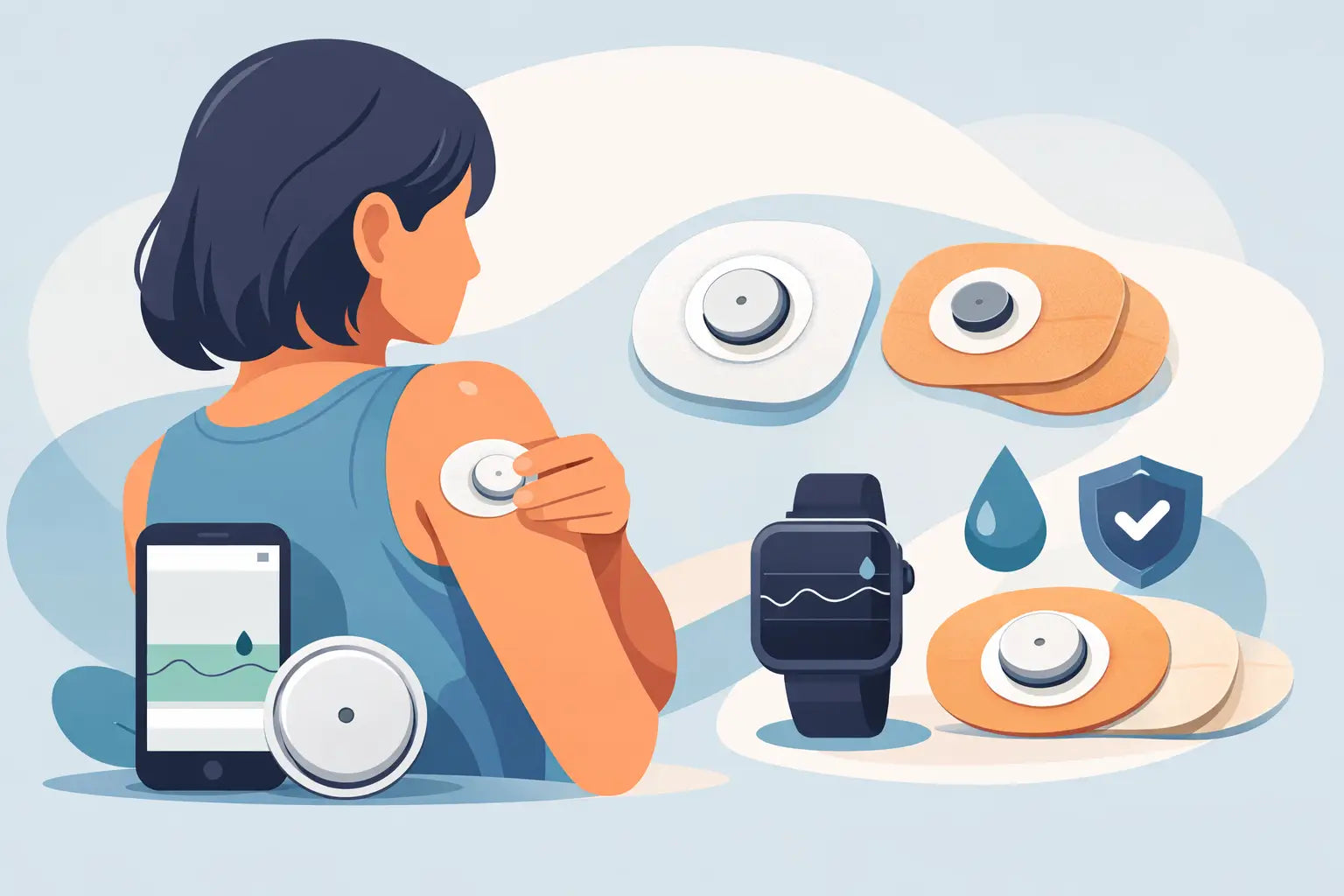
If your skin tends to be oily or sensitive, prep can make a difference. Alcohol-free skin prep products are often useful for improving adhesion without being unnecessarily harsh. For users who regularly lose sensors early, an overpatch or waterproof CGM patch can add another layer of stability, especially during repeat showering, workouts, or humid weather.
When showering with Dexcom becomes risky
There are a few situations where extra caution makes sense.
Right after insertion
A freshly applied sensor may benefit from a little time to fully adhere before getting soaked. If you can avoid showering immediately after insertion, that can help improve early wear stability.
If the adhesive is already lifting
Once the edges begin to peel, shower water tends to get underneath more easily. That can accelerate the problem. At that point, reinforcing the site with an overpatch is usually more effective than hoping the original adhesive will recover on its own.
If your skin reacts easily
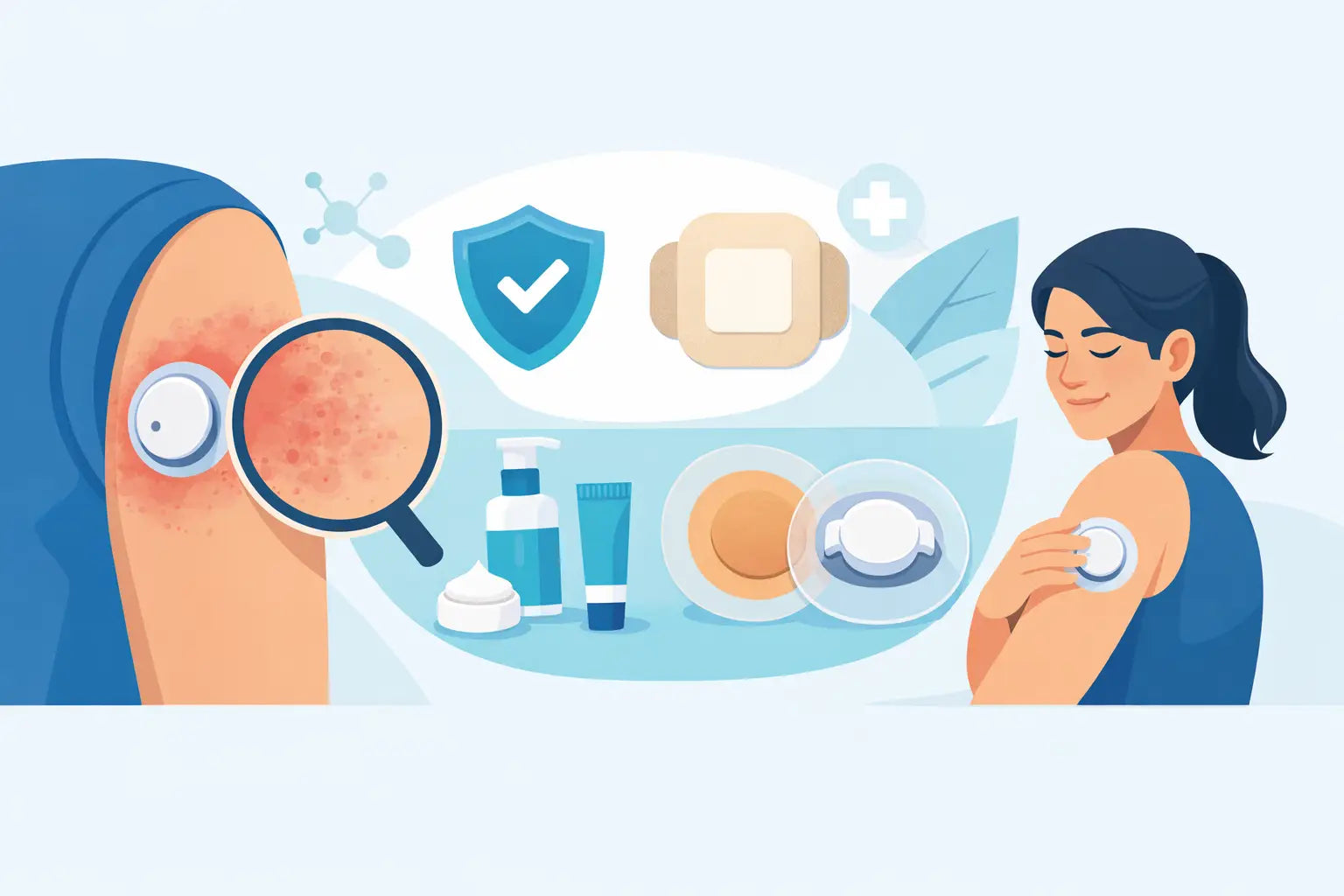
Some users need to balance adhesion strength with skin tolerance. Showering can increase moisture at the site, and if the area stays damp under tape for too long, irritation can become more likely. In those cases, breathable, skin-conscious patch materials matter just as much as water resistance.
Do you need an overpatch to shower with Dexcom?
Not always. Many users can shower with Dexcom using the original adhesive alone, especially if the sensor is placed well and the skin was properly prepped. But "not always" is different from "never."
If you work out regularly, live in a humid climate, shower more than once a day, or have a history of edges lifting early, an overpatch can move the experience from mostly fine to reliably secure. That is particularly useful if your goal is full wear time without constantly checking whether the sensor is starting to peel.
The best patches are designed for extended daily use, not just occasional backup. That means they need to stay secure through showers, sweat, sleep, movement, and normal skin flexing without feeling overly stiff or irritating.
For repeat CGM users, this is less about convenience and more about consistency. Replacing sensors early because of failed adhesion is frustrating and expensive. A patch that performs in water and stays comfortable across the full sensor cycle solves a real routine problem.
Common mistakes people make in the shower
Most shower-related sensor issues come down to small habits rather than a single major mistake.
One common issue is applying a sensor to skin that still has lotion, sunscreen, or body oil on it. Another is toweling off too aggressively. Some people also assume that if the device is water-resistant, they can ignore adhesive care completely. That usually works until the fifth hot shower, the gym session, or a humid day pushes the tape past its limit.
There is also a timing issue. If the sensor is already halfway detached, waiting until after the next shower to reinforce it often makes the problem worse. Early reinforcement is usually the better move.
What if Dexcom gets wet and starts peeling?
First, do not panic and do not rip it off just because the edge looks imperfect. Many sensors with minor edge lift can still be stabilized and worn successfully.
Pat the area dry thoroughly. If only the outer adhesive border is lifting and the sensor is still functioning, applying a compatible overpatch can help secure it. Be careful not to press or pull in a way that shifts the inserted sensor itself.
If the site is significantly detached, if moisture has gotten underneath a large portion of the adhesive, or if the sensor is no longer staying anchored to the skin, replacement may be necessary. The right call depends on how much lift there is, where it is lifting, and whether readings remain stable.
Can you shower with Dexcom every day?
Yes, most people can. Daily showers are a normal use case. The better question is whether your full routine supports daily wear without reducing sensor life.
If your site preparation is good, your shower habits are moderate, and you reinforce when needed, daily showering should be manageable. If you combine hot showers, sweat, friction, and no patch support, you may see reduced adhesion before the sensor cycle ends.
That is why dependable wear is often less about the device alone and more about the system around it - skin prep, patch quality, placement, and realistic daily habits. For many users, especially those wearing CGMs continuously, these details are what turn a technically water-resistant sensor into one that actually stays on in real life.
A useful rule is this: trust the Dexcom to handle the shower, but do not ignore what the shower does to the adhesive. When your setup is built for everyday conditions, showering becomes routine instead of something you have to second-guess.

Leave a comment
This site is protected by hCaptcha and the hCaptcha Privacy Policy and Terms of Service apply.