
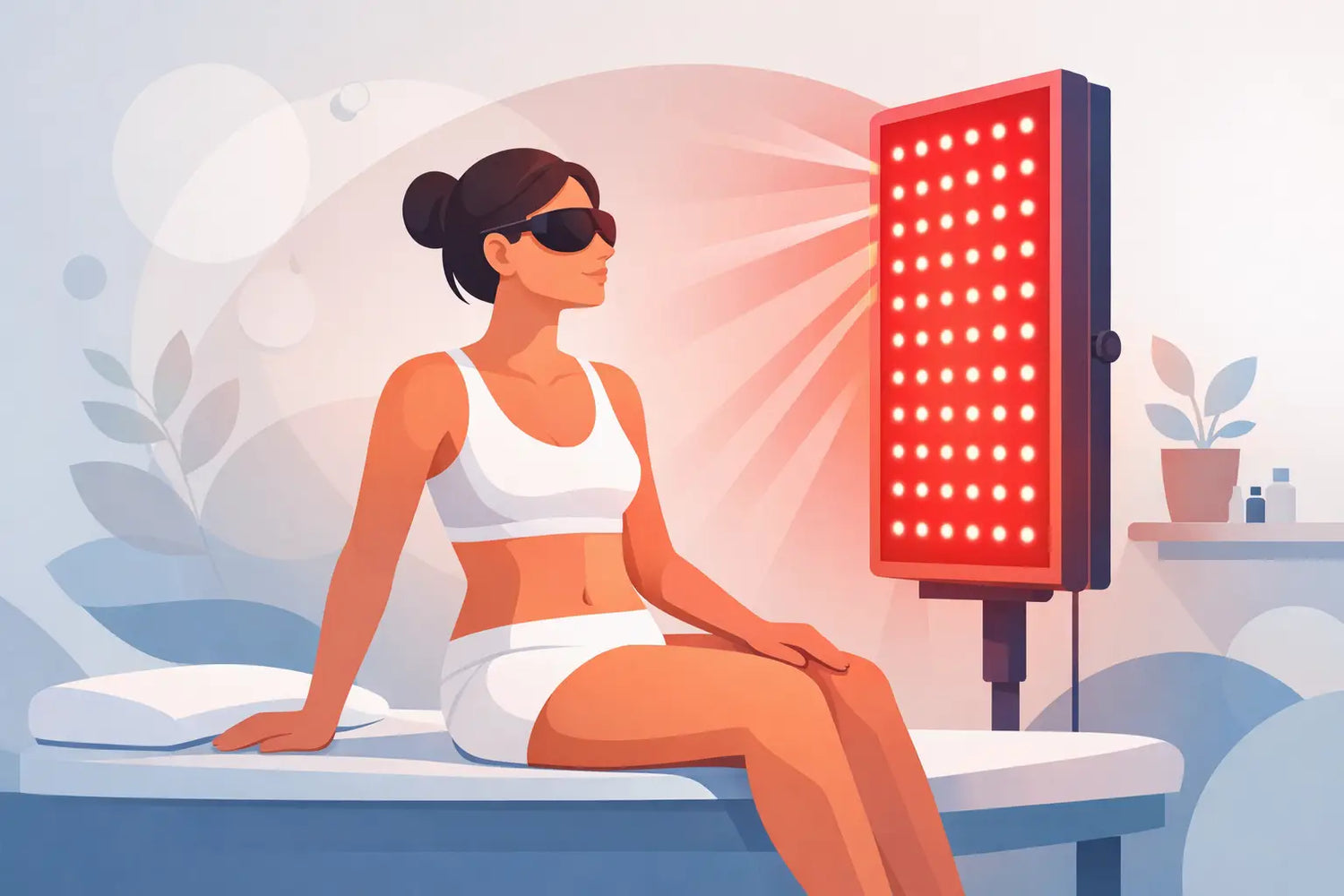
If you are asking how often use red light therapy, the real question is usually not daily versus weekly - it is dose. Frequency matters, but so do session length, device strength, distance from the light, and what you are trying to improve. The right schedule should feel repeatable, not aggressive.
Red light therapy works best as a routine. That makes it different from treatments people expect to feel immediately. You may notice short-term effects like warmth, relaxation, or a temporary boost in circulation, but most people use it consistently for skin support, recovery, joint comfort, or general wellness over time. More is not always better, and inconsistent use tends to underperform.
How often use red light therapy for best results
For most adults, a practical starting point is 3 to 5 sessions per week. That schedule is frequent enough to build consistency without overdoing exposure, especially if you are still learning how your skin and body respond. Some people use red light therapy daily, but that is usually most appropriate when session times are short and the device is designed for regular home use.
A common mistake is stacking long sessions too close together because the light feels gentle. Red light therapy is generally well tolerated, but the body still responds to cumulative exposure. If you overuse a device, you may not necessarily get faster results. In some cases, you may just increase the chance of skin irritation, eye discomfort from improper use, or simple routine fatigue that makes you stop altogether.
If your goal is maintenance rather than a short-term push, 2 to 4 sessions per week is often enough once you have established results. Think of it the same way you would think about mobility work or sleep hygiene. The benefit usually comes from steady use over weeks, not one heavy week followed by nothing.
What determines how often to use red light therapy
The best schedule depends on four variables: your goal, your device output, your session duration, and your tolerance.
Your treatment goal changes the schedule
For skin appearance, many people start with shorter, more frequent sessions. A face-focused routine might mean 5 to 10 minutes, 4 to 5 times per week, especially with a lower-powered home device. This gives you enough repetition to support collagen-related benefits and visible skin improvements over time without relying on excessive exposure.
For muscle recovery or joint comfort, sessions may be slightly longer or targeted to a larger area. In that case, 10 to 20 minutes, 3 to 5 times per week, is a common pattern. Athletes and active adults sometimes prefer using it after training days rather than every day, especially if they are treating the same muscle groups repeatedly.
For general wellness or circulation support, consistency matters more than intensity. A moderate schedule that you can maintain for a month is usually more useful than an ambitious protocol that lasts four days.
Device power matters more than people realize
Not all red light therapy devices deliver the same intensity. A compact handheld unit, a flexible wrap, and a full-size panel may all use red and near-infrared wavelengths, but the power output can be very different. That changes how often you should use them and for how long.
A lower-powered device often requires either more time per session or more frequent sessions to build a similar cumulative dose. A stronger panel may need less time and sometimes less frequent use. This is why copying someone else’s schedule without checking device specs can lead to poor results or overuse.
The safest approach is to follow the device instructions first, then adjust based on response. Brands with clinical standards and clear treatment guidance tend to be easier to use correctly because they remove some of the guesswork.
Distance and session length also affect frequency
If you sit farther away from the panel than recommended, the delivered energy drops. If you use the device much closer than intended, intensity increases. Session frequency cannot be separated from how you position the light.
That is why a 20-minute session is not automatically equal across devices or setups. A short session with a higher irradiance device can be more substantial than a long session with a weaker one. When people ask how often to use red light therapy, they are often really asking for a frequency answer to a dosing problem.
Your skin and comfort level still matter
Even though red light therapy is considered noninvasive, your response is still individual. Some users tolerate daily sessions without any issue. Others do better with every-other-day use at first. If your skin feels sensitive, dry, warm for too long afterward, or simply irritated by repeated use, that is a signal to pull back.
The same applies if you are treating an area that is already stressed, such as skin after intense actives or a body area that is sore from training. Clinical credibility means respecting dose-response, not assuming a wellness tool is harmless at any amount.
Daily vs weekly use: what is realistic?
Daily use can be reasonable when the sessions are short, the device is built for home use, and your goal benefits from consistency. Facial routines are a common example. Many people can comfortably use a red light mask or panel most days of the week if they stay within the recommended treatment window.
That said, daily use is not mandatory. If your schedule is packed, 3 to 5 quality sessions per week is often more realistic and still effective. A routine you can keep matters more than chasing a perfect protocol you will abandon in two weeks.
For larger body panels, many users do well with every-other-day use. This gives the body regular exposure while keeping the routine manageable. It also reduces the temptation to overcompensate with marathon sessions.
A simple schedule to start with
If you are new to red light therapy, start conservatively for two weeks. Use the device 3 times per week for the recommended session length at the recommended distance. Watch for how your skin feels, whether you notice any improvement in comfort or recovery, and whether the routine fits your day.
If all of that goes well, increase to 4 or 5 times per week if your goal calls for it. Keep the change small. You do not need to double session length and increase frequency at the same time.
After 6 to 8 weeks, reassess. If you have reached your target and want to maintain results, you can often reduce to a maintenance schedule. If progress is limited, the answer may not be more sessions. It may be that the device is underpowered for your goal, the treatment area is too large, your distance is off, or your expectations are too short-term.
When to use red light therapy less often
There are a few situations where less is usually smarter. If you are experiencing skin irritation, using strong exfoliants or prescription topicals, or feeling eye strain from poor protection habits, reduce frequency and review how you are using the device.
You should also be more cautious if you have a health condition that requires physician guidance, if you take medications associated with photosensitivity, or if you are unsure whether a specific treatment area is appropriate. Red light therapy is accessible, but responsible use still matters.
If you are not seeing results, resist the urge to turn it into a twice-daily habit right away. Better outcomes usually come from correct dosing, proper device setup, and patience.
How often use red light therapy without overdoing it
The easiest way to avoid overuse is to treat red light therapy like any other engineered wellness tool. Follow the device instructions, keep sessions consistent, and track what changes. A simple note on your phone with date, duration, and treatment area is enough.
That kind of discipline is what turns a wellness device into something useful in real life. It also helps you see patterns. If 5 sessions per week improves recovery but daily use leaves your skin feeling dry, you have your answer. If 3 weekly sessions maintain results just as well as 6, you can save time and keep the routine sustainable.
For most people, the best frequency is the lowest schedule that delivers results consistently. That is practical, easier to stick with, and more aligned with how clinically informed wellness should work. OHMRX approaches home-use tools with that same mindset - no shortcuts, no gimmicks, just repeatable routines built for real life.
If you want red light therapy to work, do not ask how much you can get away with. Ask what dose you can realistically repeat next week, and the week after that.


Leave a comment
This site is protected by hCaptcha and the hCaptcha Privacy Policy and Terms of Service apply.