

Cold hands that never seem to warm up, legs that feel heavy after long hours sitting, slow post-workout recovery - these are the kinds of everyday problems that lead people to ask about red light therapy for circulation. The interest makes sense. Better blood flow is tied to how tissues get oxygen, how muscles recover, and how the body manages normal repair. But this is also a category where hype can outpace evidence, so it helps to look at what red light therapy may actually do, where it may help most, and where expectations should stay realistic.
How red light therapy for circulation is supposed to work
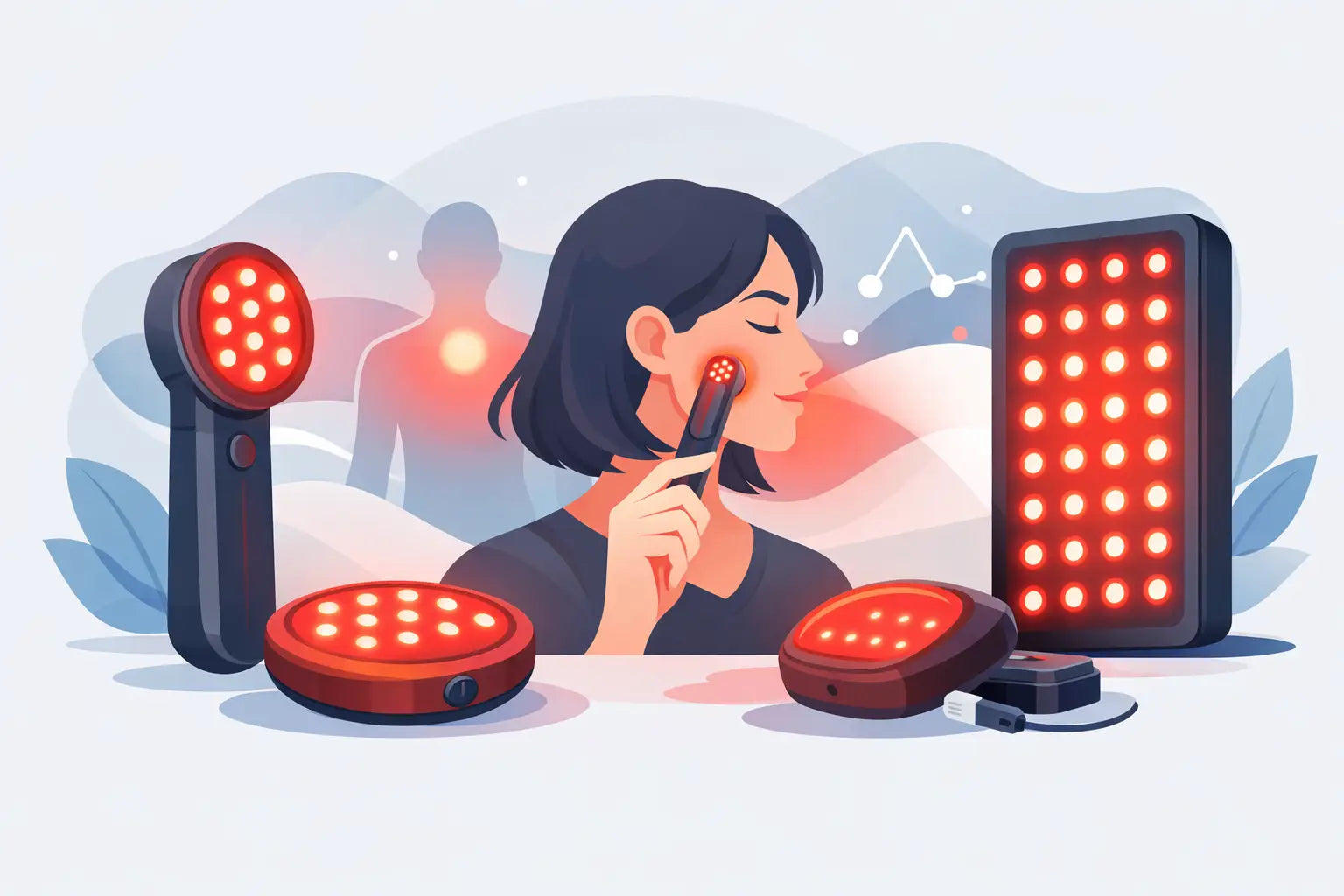
Red light therapy uses specific wavelengths of visible red and near-infrared light directed at the body for a set period of time. These wavelengths are studied for their effects on cells, especially in tissues near the skin surface and, in the case of near-infrared, somewhat deeper layers.
The proposed mechanism is fairly straightforward. Light energy is absorbed by cellular structures involved in energy production, which may support mitochondrial function and nitric oxide signaling. Nitric oxide matters here because it plays a role in vasodilation, or the widening of blood vessels. When vessels relax and open more effectively, local blood flow may improve.
That does not mean red light therapy changes circulation everywhere in the body all at once. More often, the effect being discussed is localized support in the area being treated. If you use a device on your calves, for example, the main target is circulation and tissue response in that region, not a whole-body cardiovascular intervention.
What the research suggests
The evidence around red light therapy for circulation is promising, but it is not one single clean story. Some studies suggest light therapy may support microcirculation, tissue oxygenation, and recovery after physical stress. There is also research looking at wound healing, inflammation, and pain, all of which can overlap with circulation-related outcomes.
What matters most is the difference between a measurable physiologic effect and a meaningful day-to-day benefit. A study may show improved local blood flow under controlled conditions, but that does not automatically translate into dramatic relief for every person using an at-home device. Dose, wavelength, treatment time, frequency, and the condition being addressed all affect results.
This is why the best claims are usually moderate ones. Red light therapy may support healthy circulation, especially at the local tissue level. It may also help with comfort and recovery in ways that make circulation feel better functionally. It is less accurate to position it as a fix for serious vascular disease or as a replacement for medical evaluation.
Where people tend to notice benefits
For most consumers, circulation is not an abstract metric. It shows up as how the body feels. People often look to red light therapy when they want support for muscle recovery, stiffness, cold extremities, mild swelling after activity, or general leg fatigue from sitting or standing for long periods.
Athletes and active adults may use it on the legs after training because better local blood flow can support normal recovery processes. People with desk jobs may use it on the lower body to offset the sluggish, compressed feeling that comes with long sedentary stretches. Others use it as part of a general wellness routine because warmth, relaxation, and reduced post-exercise soreness can feel like improved circulation, even when several mechanisms are involved at once.
That distinction matters. Sometimes the benefit is truly vascular. Sometimes it is a blend of tissue recovery, less inflammation, and temporary comfort. From a practical standpoint, the user may not care which mechanism is doing the heavy lifting, but from a clinical standpoint, it is worth being precise.
Red light therapy is not a substitute for medical care
This is the line that should stay clear. If someone has persistent numbness, significant leg swelling, color changes in the skin, non-healing wounds, chest symptoms, or diagnosed vascular disease, red light therapy should not be the first or only response. Those symptoms can point to conditions that need medical assessment.
The same applies to people with diabetes, especially if circulation concerns involve the feet or lower legs. Diabetes can affect blood vessels, nerves, and wound healing in ways that deserve careful monitoring. A supportive wellness tool may still have a place, but it should sit alongside proper medical care, not instead of it.
That practical, layered approach tends to produce better decisions. Use wellness tools for support. Use clinicians for diagnosis, risk assessment, and treatment planning.
How to use red light therapy for circulation effectively
The biggest mistake with home use is treating all devices as equal. They are not. Wavelength range, power output, treatment area, build quality, and ease of consistent use all affect the experience. A well-designed device that fits into a routine is usually more useful than an oversized setup that gets used twice and then stored away.
For circulation support, consistency matters more than intensity alone. Short, repeated sessions over time are generally more practical than one very long session once in a while. Many users target areas such as the calves, feet, hamstrings, lower back, or shoulders depending on where they feel tension, fatigue, or poor recovery.
Clean skin, direct exposure, and the correct treatment distance all matter. If a device is designed to be used a few inches away, using it from across the room changes the delivered dose. Session length should follow the manufacturer guidance, because more is not always better. With light therapy, underdosing may do little, but overdosing can reduce the intended benefit or irritate sensitive skin.
Timing also depends on the goal. Before activity, some people use red light therapy to support tissue readiness and comfort. After activity, the focus is more often recovery. For general circulation support, people often do best when they attach it to an existing habit - after a shower, before bed, or after a workout - so use becomes routine instead of aspirational.
Who may be a good candidate
Healthy adults looking for noninvasive support are usually the clearest fit. That includes people who want help with workout recovery, desk-related stiffness, general leg fatigue, or mild feelings of poor peripheral circulation without alarming symptoms.
It may also appeal to consumers who want a low-friction wellness tool with a straightforward use case. That fits the broader reason people choose engineered products for daily routines: they want something they can actually use consistently, not a complicated protocol that falls apart after a week.
OHMRX sits well in that kind of category because the expectation is practical performance, not trend language. People want a device that is easy to use, built to a reliable standard, and realistic for everyday life.
Who should be more cautious
There are still trade-offs. If someone is taking medications or has a condition that increases photosensitivity, they should check with a clinician before starting. The same goes for anyone with active skin conditions in the treatment area, unexplained pain, or a history of medical issues where heat or light exposure needs extra consideration.
Pregnancy, cancer history, implanted medical devices, and severe circulation disorders are all situations where personalized guidance matters more than general wellness advice. A home device can be well made and still not be appropriate for every person or every use case.
What results are realistic
A realistic expectation is gradual support, not a dramatic overnight shift. Some users report feeling warmth, reduced tightness, or better recovery fairly quickly. More noticeable changes in comfort or routine leg fatigue often depend on repeated use over days or weeks.
It also helps to separate symptom support from root-cause treatment. If your circulation feels off because you sit too long, hydration is poor, and movement is limited, red light therapy may help, but it works better as part of a broader routine. Walking, mobility work, hydration, compression when appropriate, and medical evaluation when symptoms warrant it still matter.
This is where the strongest red light therapy routines tend to be grounded. The device is one tool in a system. It supports blood flow and tissue response, but it does not replace movement, cardiovascular health, or clinical care.
How to think about the category without the hype
The most credible case for red light therapy for circulation is also the least flashy one. It may help support local blood flow, tissue oxygenation, and recovery in a way that feels useful for everyday comfort and performance. That is worthwhile. It does not need exaggerated promises to be relevant.
If you are considering it, the key questions are simple. Is the device designed well? Can you use it consistently? Are you treating a wellness concern that fits the category, or a medical issue that needs diagnosis first? Those questions usually lead to better outcomes than chasing big claims.
For many people, the value is not in trying to force a dramatic transformation. It is in building a practical routine that helps the body feel and function a little better, one repeatable session at a time.


Leave a comment
This site is protected by hCaptcha and the hCaptcha Privacy Policy and Terms of Service apply.