

A hard workout, a long shift on your feet, or a week of poor sleep can leave recovery feeling slower than it should. That is where near infrared light recovery gets attention. Not because it is a shortcut, but because it may support the basic processes your body already uses to repair tissue, manage soreness, and return to normal function.
The practical question is not whether light sounds futuristic. It is whether near infrared light can fit into a real routine and produce noticeable benefits without adding complexity. For many people, the answer depends on the goal, the device, and how consistently it is used.
What near infrared light recovery actually means
Near infrared light recovery refers to the use of specific wavelengths of light, usually in the low 800 nm range, to reach deeper tissue than visible red light alone. While red light is often discussed for skin-focused goals, near infrared is typically used when the target is muscle, joints, circulation, or post-exercise recovery.
This matters because light does not behave the same way at every wavelength. Visible red light is absorbed closer to the surface. Near infrared light is invisible to the eye and can penetrate further, which is why it is often included in recovery-oriented devices rather than skincare-only tools.
The science is still developing, and not every claim in the market is equally strong. But the core mechanism most often discussed is photobiomodulation. In simple terms, light energy is absorbed by cells and may help support mitochondrial function, cellular energy production, and signaling pathways involved in repair and inflammation control.
How near infrared light may support recovery
Recovery is not one process. It is a collection of processes happening at once - muscle repair, circulation changes, inflammatory signaling, nervous system regulation, and energy restoration. Near infrared light recovery is interesting because it may influence several of those areas at the cellular level.
One reason people use it after training is delayed onset muscle soreness. Some studies suggest light therapy may help reduce perceived soreness and improve recovery markers when used consistently. That does not mean you will feel different after one session. It means the cumulative effect may help you stay more comfortable and more consistent over time.
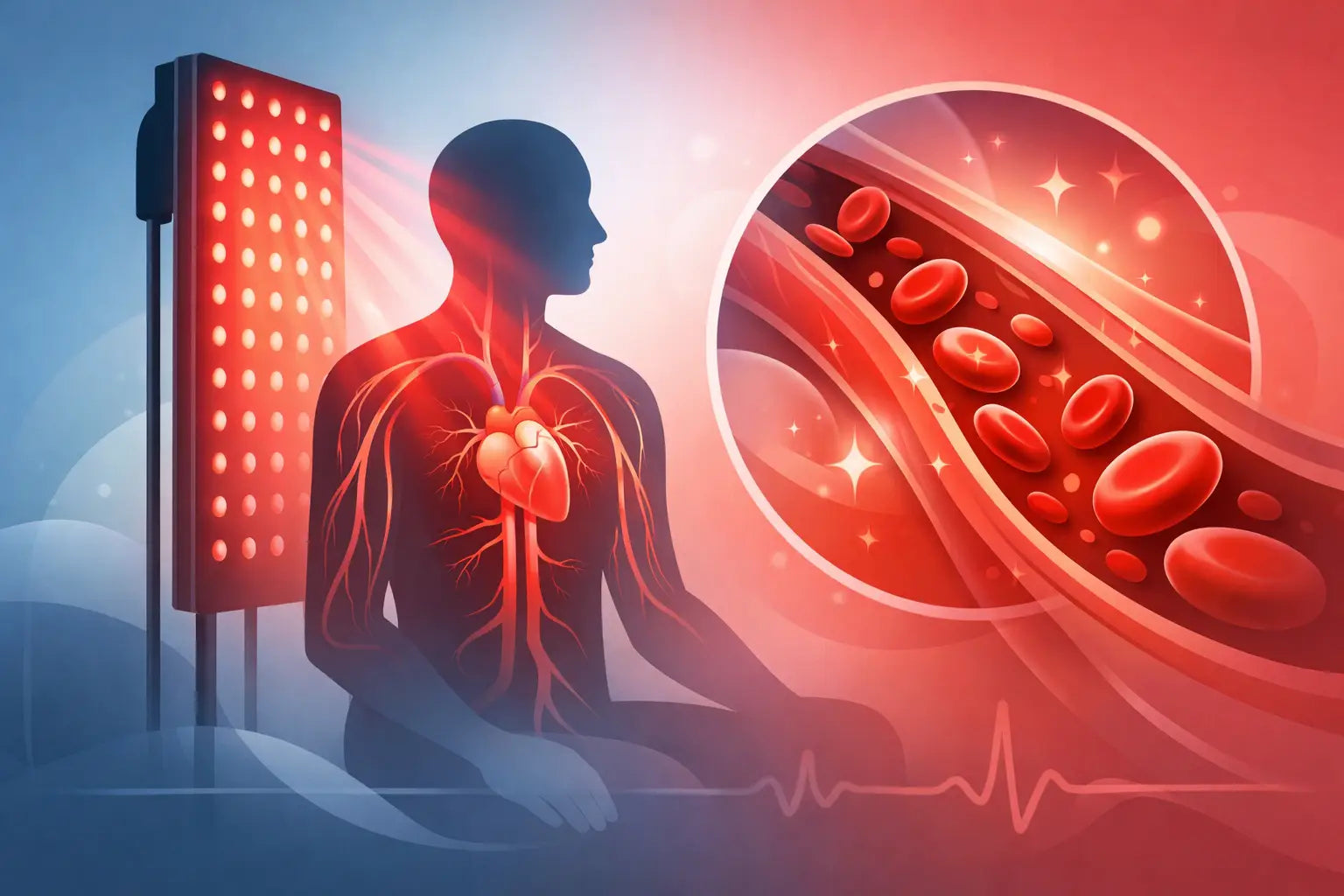
Circulation is another common reason people use near infrared light. Better local blood flow can support delivery of oxygen and nutrients to working tissues. For someone recovering from demanding exercise, repetitive strain, or general stiffness, that can be a useful support layer.
There is also interest in joint comfort and tissue resilience. People dealing with chronic tightness, overuse, or age-related stiffness often prefer tools that are low effort and repeatable. Light therapy fits that need when the device is designed for convenient daily use.
Red light vs near infrared for recovery
People often group red and near infrared together, and in many devices they are paired. That is reasonable, but the distinction still matters.
Red light usually falls in the mid-600 nm range and is commonly used for surface-level concerns such as skin appearance and superficial tissue support. Near infrared typically falls in the 800 nm range and is chosen when deeper penetration is the priority. If your goal is exercise recovery, larger muscle groups, or joint-related support, near infrared usually plays the more important role.
That does not make red light irrelevant. Combined red and near infrared devices can provide a broader treatment profile. If you want one device to support both skin and recovery, that combination often makes sense. If your use case is focused mostly on soreness, performance support, or deeper tissue comfort, near infrared deserves closer attention.
What results are realistic
The most useful way to think about near infrared light recovery is as a support tool, not a rescue tool. It is not going to erase poor sleep, replace enough protein, or fix a training plan that gives your body no time to adapt. It may, however, help make a well-built recovery routine more effective.
Some people notice that they feel less stiff after using it regularly for one to two weeks. Others report that post-workout soreness feels shorter or less intense. People using it for ongoing joint comfort may need longer to judge the effect. That difference is normal. Recovery is personal, and baseline health, age, training load, and consistency all affect the outcome.
It also depends on dose. Too little exposure may not do much. More is not always better either. Light therapy has a biphasic response in some settings, meaning the right amount may help while excessive use may be less effective. That is why disciplined device design and clear usage guidance matter.
How to use near infrared light recovery in a real routine
The best routine is the one you will actually maintain. For most adults, that means short sessions that are easy to repeat several times a week.
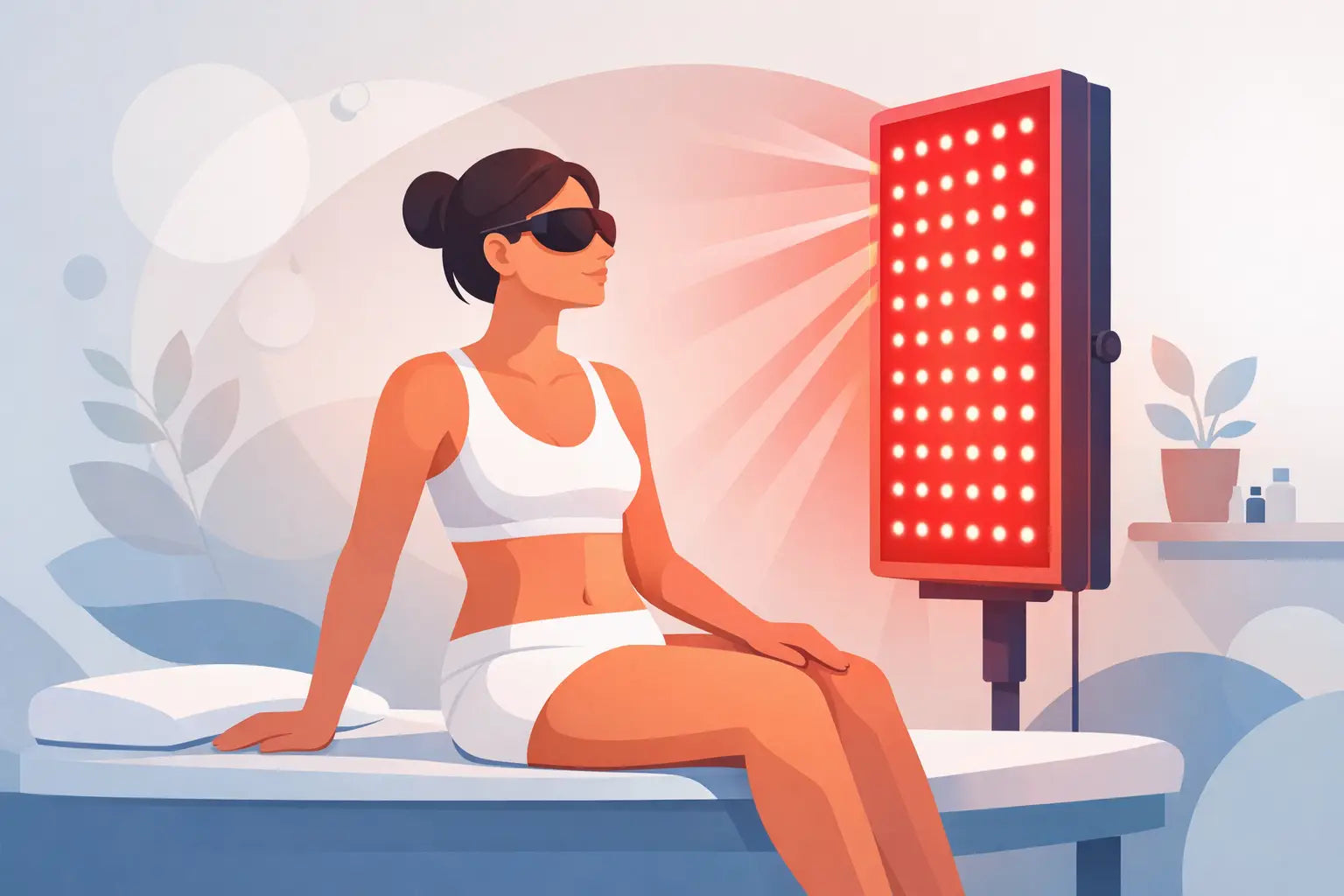
Many recovery-focused devices are used for around 10 to 20 minutes per area, depending on the power output and distance from the body. Larger panels may cover more surface area and work well for broader post-workout sessions. Smaller portable devices make more sense if you are targeting a knee, shoulder, lower back, or another specific area.
Timing can be flexible. Some people use near infrared light before exercise as part of a warm-up strategy. Others prefer it after training to support recovery. If your main goal is stiffness reduction or daily comfort, the best time may simply be the one you can repeat consistently.
Clean skin and direct exposure to the target area generally make sense. Heavy clothing blocks light. You also want a device that provides actual near infrared output rather than vague marketing language. Specs matter here. Wavelength range, treatment area, power, and build quality affect real-world use more than flashy claims.
Who may benefit most from near infrared light recovery
This approach is usually most appealing to people who want a low-friction recovery tool that fits into normal life. That includes active adults, recreational athletes, strength trainees, runners, and people with physically demanding jobs.
It can also be useful for adults who are not chasing performance metrics at all. If your issue is feeling tight after long workdays, dealing with routine soreness, or trying to stay mobile and comfortable as you age, near infrared light may be a practical option.
The audience that tends to do best with it is not the one looking for a miracle. It is the one willing to use a well-designed device several times a week, track how they feel, and make decisions based on function rather than hype.
What to look for in a device
Not all light therapy products are built to the same standard. For recovery use, the basics should be non-negotiable: clearly stated wavelengths, practical treatment area, reliable construction, and instructions that are specific enough to follow.
A portable unit can be a smart choice for targeted use and travel. A panel may be better if you want to treat larger areas efficiently. The right format depends on whether your routine is focused and localized or broad and frequent.
Safety and usability matter too. Devices should feel engineered, not improvised. For a category that sits close to health routines, product quality is part of the outcome. That is one reason brands like OHMRX focus on practical performance, clinical standards, and daily-use design rather than trend-driven claims.
Limits, trade-offs, and when to be cautious
Near infrared light recovery has real appeal, but it is not universal. If your soreness is caused by an injury, persistent swelling, or pain that is getting worse, a recovery device should not be your first line of decision-making. That is a situation for medical evaluation.
There are also people who should be more careful with light-based devices, including those with specific medical conditions, photosensitivity concerns, or treatment plans that may interact with light exposure. If that applies to you, it is worth checking with a qualified clinician.
The other trade-off is cost versus consistency. A high-quality device can be worth it if you will use it often. If it ends up in a drawer after a week, even the best specs will not matter. Practical fit matters more than buying the most powerful option on paper.
The case for consistency over intensity
Near infrared light recovery tends to work best when it becomes part of a repeatable system. Think of it the same way you think about hydration, sleep timing, mobility work, or protein intake. One perfect day is less useful than a steady pattern.
That is what makes this category appealing for everyday wellness. It does not ask for a major schedule change. It asks for a few disciplined minutes, used often enough to support how your body already recovers.
If you are considering it, keep the standard simple. Choose a device with credible specs, use it consistently, and judge it by whether your body feels more ready for the demands you place on it. Recovery does not need more hype. It needs tools that are built for real life.

Leave a comment
This site is protected by hCaptcha and the hCaptcha Privacy Policy and Terms of Service apply.