
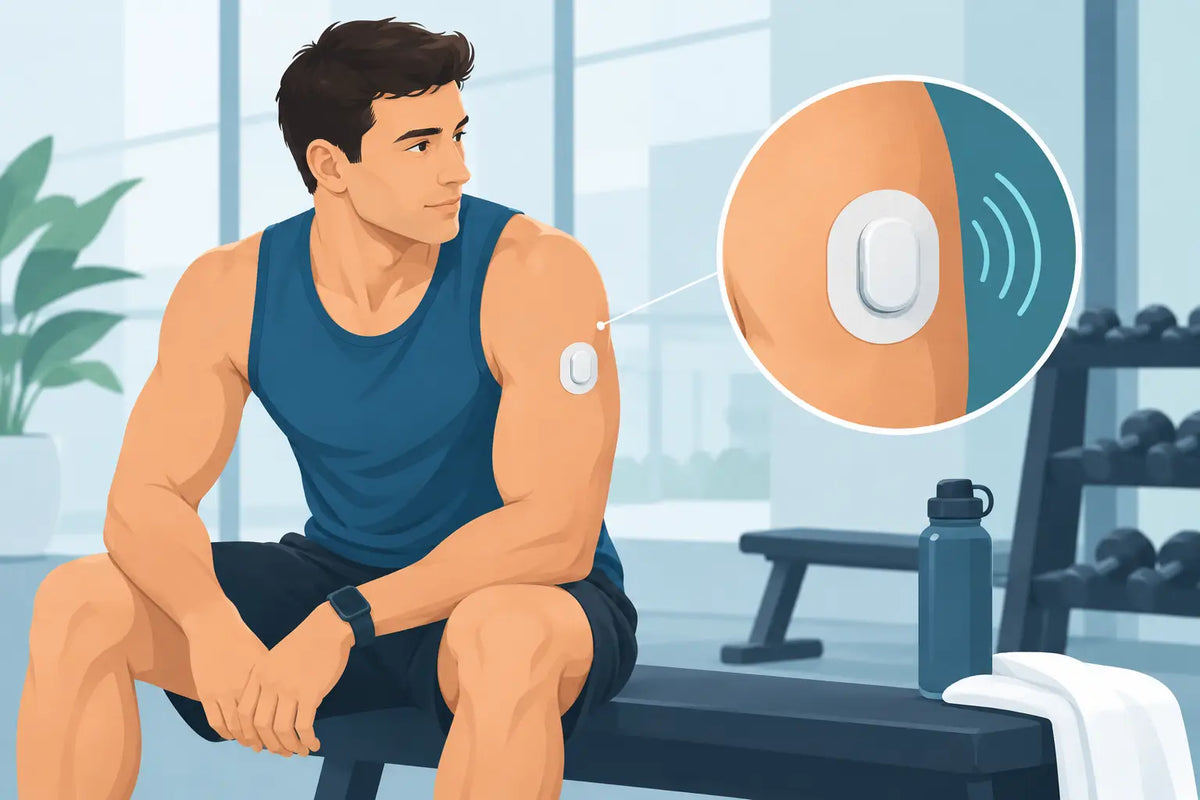
A sensor patch for gym users is not a minor accessory. For people wearing a CGM or insulin pump, it can be the difference between completing a training session with confidence and spending it worrying that a sensor edge is starting to lift. Sweat, friction, rapid movement, towels, changing clothes, and post-workout showers all put more stress on device adhesion than an average day.
The goal is not to make a sensor indestructible. It is to add dependable support around the device so your routine does not have to shrink around it. A well-designed overpatch should fit the device correctly, move with your skin, tolerate water exposure, and remain comfortable enough to wear through a full sensor cycle.
A Sensor Patch Has a Specific Job
A sensor patch, often called an overpatch, is designed to reinforce the adhesive already attached to a continuous glucose monitor or compatible wearable device. It should sit around the sensor rather than cover its functional components. That distinction matters: the patch supports wear time, but it does not replace proper sensor insertion, manufacturer instructions, or clinical guidance.
For gym users, the patch's job is straightforward. It helps protect the sensor from the forces that cause early lifting: repeated arm movement, compression from equipment, moisture under the adhesive, and contact with clothing. This is particularly useful for common placements on the back of the upper arm, where a shirt sleeve, bench pad, or lifting strap may repeatedly brush the sensor.
A patch also helps create practical peace of mind. Training is easier when you are not checking your sensor after every set, avoiding certain movements, or treating a shower as a threat to your wear cycle.
Why Gym Conditions Challenge Sensor Adhesion
Sweat is only one part of the equation. Perspiration can affect the skin surface and reduce the hold of an adhesive, especially when it is combined with heat, body oil, sunscreen, or lotion. Then there is motion. A sensor placed near an area of frequent muscle contraction experiences small, repeated pulls that can gradually loosen its original adhesive.
Friction is often the bigger issue. Compression shirts, sports bras, lifting belts, backpack straps, towels, and even the edge of a bench can catch on a sensor. Contact does not need to be dramatic to matter. A small corner that lifts after a workout can collect moisture and lint, making it more likely that the adhesive continues to peel.
Water exposure adds another layer. Swimming, hot weather, showering after training, and sauna use can all test the adhesive system. A patch marketed as waterproof should still be applied to clean, completely dry skin. Water resistance cannot compensate for skin that was damp, oily, or recently covered in moisturizer at application.
What to Look for in a Sensor Patch for Gym Users
The best choice depends on your device, skin sensitivity, training style, and where you wear your sensor. There is no single patch design that performs identically for every body and routine. Still, a few standards make selection much more practical.
Device-Specific Fit
Start with compatibility. A patch should be shaped for your specific device, whether you use a Dexcom G6, Dexcom G7, Libre 2, Libre 3, Lingo, or Omnipod. Proper sizing matters because a patch that is too tight can place unnecessary tension around the device, while one that is too large may create excess material that catches on clothing.
Look for a design that leaves appropriate access around the sensor and does not interfere with normal use. A centered opening should frame the device securely without placing adhesive over areas that need to remain unobstructed.
Adhesion That Balances Hold and Comfort
Stronger is not automatically better. An aggressive adhesive may stay in place through a demanding workout but be difficult to remove, particularly for people with sensitive skin or frequent sensor changes. The right patch provides reliable adhesion without turning removal into another skin stressor.
Skin-conscious materials and a flexible construction are particularly valuable for active users. Your skin stretches, twists, and compresses while you train. A stiff patch may resist movement at first, but its edges can begin to lift when the material cannot move naturally with the body.
Water Resistance for Real Life
Gym use does not stop at the last set. Many people train before work, shower at the gym, swim for conditioning, or spend time outdoors after a workout. A patch should be built for ordinary water exposure and sweating, not just light activity in a climate-controlled room.
That does not mean every patch is appropriate for every water activity. Extended time in a pool, ocean, hot tub, or sauna may shorten wear time. If swimming or heat exposure is a regular part of your program, it is reasonable to expect that you may need to monitor patch edges more closely.
Low-Profile Design
A bulky edge gives fabric and equipment something to grab. A low-profile patch is less noticeable under training clothes and less likely to become a daily distraction. This is especially relevant for contact sports, high-repetition training, and activities where your arms repeatedly move against your torso.
OHMRX CGM patches are designed around this real-life standard: device-specific coverage, waterproof support, and skin-conscious adhesion for the activities that do not pause because you are wearing a sensor.
Apply the Patch Like It Matters
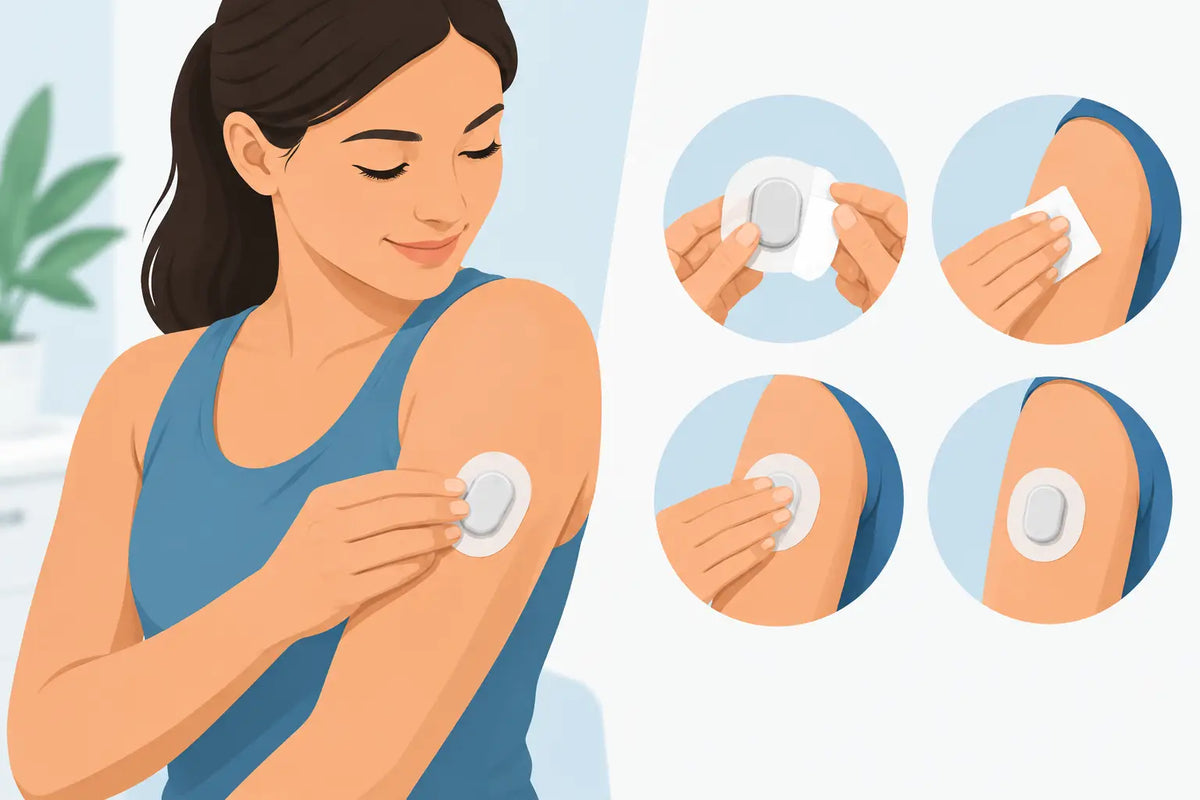
Application quality can affect performance as much as the patch itself. The best time to apply an overpatch is when the sensor adhesive is secure and the surrounding skin is clean, dry, and free from lotion, oil, and sunscreen. If you have just showered or trained, give your skin time to cool and dry fully before applying.
Press the patch into place from the center outward, smoothing it across the skin without stretching it. Stretching can create tension that pulls the edges back over time. Once it is positioned, use firm pressure around the full perimeter for several seconds so the adhesive makes consistent contact with the skin.
If you use a skin prep product, choose one that fits your skin needs and follow its instructions carefully. Alcohol-free skin prep wipes can be useful for people who want to clean and prepare the area without relying on harsh formulas. If you have a history of adhesive reactions, patch test new products when possible and discuss persistent concerns with a healthcare professional.
Build Patch Changes Into Your Sensor Routine
For many CGM users, patches are a repeat-purchase essential rather than a one-time emergency item. Sensor cycles commonly run 10 to 14 days, which makes it practical to keep enough patches on hand for your regular change schedule plus a small buffer for travel, heavier training blocks, or an early replacement.
Think about your calendar when choosing an application day. A sensor change immediately before a race, a vacation involving swimming, or a week of high-volume training can feel higher stakes. Having the right patch ready before that period begins keeps the focus on your routine instead of last-minute problem solving.
It also helps to inspect the edges after high-friction workouts. You do not need to obsess over the patch, but catching a small lifted edge early can help you adjust clothing, straps, or placement choices before it becomes a larger issue.
When a Patch Is Not the Answer
An overpatch can support a properly inserted sensor, but it cannot solve every device issue. If the sensor itself is loose, damaged, painful, bleeding, or showing signs of infection, do not use a patch to force it through the remainder of its wear period. Follow the device manufacturer's guidance and contact your healthcare team when appropriate.
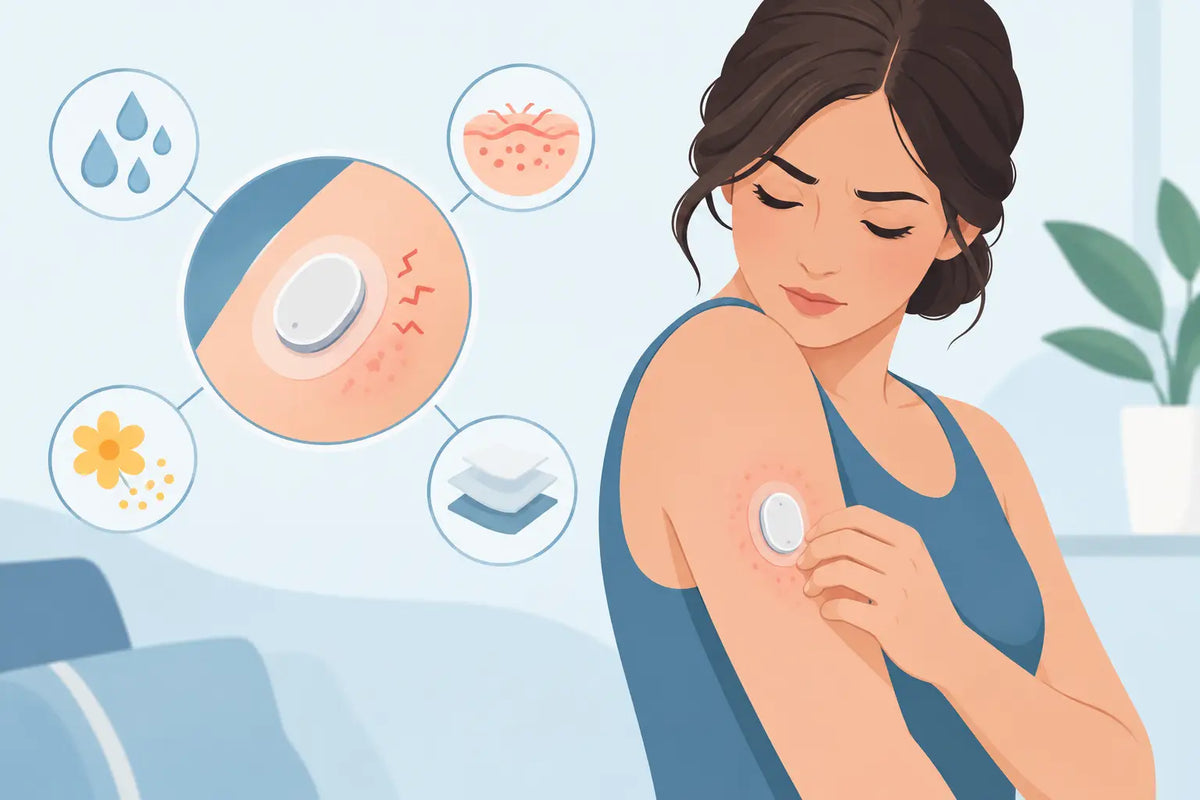
Likewise, recurring skin irritation deserves attention. Redness that continues after removal, blistering, itching, swelling, or broken skin may indicate irritation or an adhesive sensitivity. Changing patch materials, rotating sites, improving skin preparation, or seeking clinical advice may be more useful than simply choosing a stronger adhesive.
A dependable patch should fade into the background of your training. Choose one that fits your device and your skin, apply it carefully, and keep replacements ready for each sensor cycle. Then let your attention return to the workout in front of you.

Leave a comment
This site is protected by hCaptcha and the hCaptcha Privacy Policy and Terms of Service apply.